Personalized Medical Care & Dedicated International Patient Concierge


Medical Guide
Facial Contouring Recovery: Patience, Care, and Results
Understand facial contouring recovery, including swelling, aftercare, healing timelines, and results. Learn how patience and proper care support healing.
Schedule a ConsultationUnderstanding Facial Contouring: An Overview

Facial contouring refers to a group of procedures designed to adjust the underlying bone and soft tissue structure of the face, improving balance and proportion between the forehead, cheekbones, jawline, and chin. Common goals include softening a square or prominent jaw, reducing cheekbone width, or refining the chin to create a more harmonious facial silhouette.
Unlike procedures that only address skin or fat, facial contouring works at the structural level, which is why healing takes longer and requires more deliberate aftercare. Because bone and the deeper soft-tissue layers surrounding it are involved, the body's healing response is more extensive than with surface-level treatments. Swelling, bruising, and temporary changes in sensation are expected parts of this healing process, and understanding what to expect — rather than comparing recovery to a filler or thread-lift procedure — can help patients feel more confident and less anxious as their body adjusts.
Many patients pursuing facial contouring are motivated by a desire for better facial balance rather than dramatic transformation. A jawline that appears wider or more angular than the rest of the face, cheekbones that create an uneven profile, or a chin that seems disproportionate to the forehead and midface are common starting points for consultation. Because facial harmony is highly individual, what constitutes an improvement for one patient's bone structure may not apply to another, which is why generic before-and-after comparisons are of limited use without an in-person structural assessment.
How Facial Contouring Works
Facial contouring procedures are typically customized based on a patient's bone structure, skin thickness, and aesthetic goals. Depending on the specific concern, treatment may involve reshaping or reducing areas of the jawbone or cheekbone, or combining bone-level adjustment with complementary procedures such as liposuction or lifting for a more balanced overall result.
Because the jaw, cheekbones, and chin work together to define facial shape, adjustments in one area often influence the visual impression of the others. For this reason, surgical planning generally considers the face as an interconnected structure rather than treating each bone in isolation. Soft-tissue factors — including skin thickness, muscle volume, and the position of fat pads — are also taken into account, since two patients with similar bone structure can have noticeably different final contours depending on the tissue that overlies the bone.
At Merry Plastic Surgery, these procedures are performed with attention to both immediate aesthetic goals and long-term facial harmony, rather than pursuing dramatic change for its own sake. Where appropriate, staged or combined approaches are considered so the surgical plan matches the complexity of the patient's concerns without exceeding what is medically necessary.
Who Is a Good Candidate?
Facial contouring is generally suited to patients who have a clear, realistic goal in mind — such as softening an overly angular jawline or achieving better facial symmetry — and who are in good general health with no underlying conditions that would complicate bone healing or anesthesia. Candidates should also be prepared for a recovery period that is longer than that of many other cosmetic procedures, since the treated bone and surrounding tissue need time to heal and settle into their new shape.
During consultation, the medical team at Merry Plastic Surgery evaluates each patient's facial structure, skin elasticity, and expectations before recommending whether facial contouring — alone or combined with other treatments — is an appropriate option. This evaluation typically includes a review of the patient's medical history, prior facial procedures if any, and any concerns about bone density or healing capacity that could affect surgical planning.
Facial contouring is generally not recommended during periods of significant health instability, and patients with certain chronic conditions may need medical clearance before proceeding. Age, skin elasticity, and how well soft tissue is expected to redrape over the newly contoured bone are additional factors the surgical team weighs when discussing likely outcomes. Patients who are unsure whether they qualify are encouraged to begin with an in-person or virtual consultation rather than making assumptions based on online research alone, since facial structure assessment is difficult to perform accurately through photographs.
The Procedure Process

A typical facial contouring journey at Merry Plastic Surgery follows several stages:
1. Initial Consultation and Planning
The process begins with a detailed, candid discussion of the patient's concerns, facial structure, and desired outcome. Imaging and physical examination help the surgical team design a plan tailored to the individual, rather than applying a standardized approach. This stage often involves discussing not only the target area but how it relates to the rest of the face, since an isolated change to the jaw or cheekbone can shift the overall visual balance of the profile.
2. Pre-Operative Evaluation
Before surgery, patients undergo health screening and anesthesia assessment to confirm they are suitable candidates and to identify any factors that should be addressed beforehand. Patients are also given guidance on preparation steps, such as avoiding certain medications or supplements that can increase bleeding risk, and are advised to arrange support for the initial recovery period at home.
3. Surgery
Depending on the specific goals, the procedure may involve adjusting the jawbone, cheekbone, or chin, sometimes performed alongside complementary treatments such as liposuction for facial contouring precision. Surgical duration and technique vary based on the extent of correction needed, and the surgical team determines the appropriate anesthesia approach based on the scope of the procedure.
4. Immediate Post-Operative Care
Following surgery, patients are monitored closely as anesthesia wears off and initial swelling begins. Pain management and monitoring during this window are an important part of a safe recovery. Patients are typically given specific instructions regarding head positioning, cold compress use, and any compression garments, along with guidance on when normal activities can gradually resume.
5. Follow-Up and Long-Term Monitoring
Patients return for scheduled follow-up visits so the surgical team can track healing progress, address any concerns, and confirm that recovery is proceeding as expected. These visits also give patients an opportunity to ask questions as swelling resolves and the contour becomes clearer, rather than drawing conclusions from the appearance of the face in the earliest, most swollen days after surgery.
Doctor's Expertise
Dr. Sungtaek Hong brings experience across facial contouring, rhinoplasty, eyelid surgery, and lifting procedures, with a particular focus on structural and functional outcomes. A graduate of Korea University College of Medicine with a Master's Degree in Plastic Surgery, he also serves as Adjunct Professor at Korea University Medical Center and received clinical training at IWK Health Centre in Canada. He is an active member of multiple specialist study groups under the Korean Society of Plastic and Reconstructive Surgeons. This combination of academic training and hands-on surgical experience informs the careful, individualized planning applied to each facial contouring case.
What Sets Merry Plastic Surgery Apart
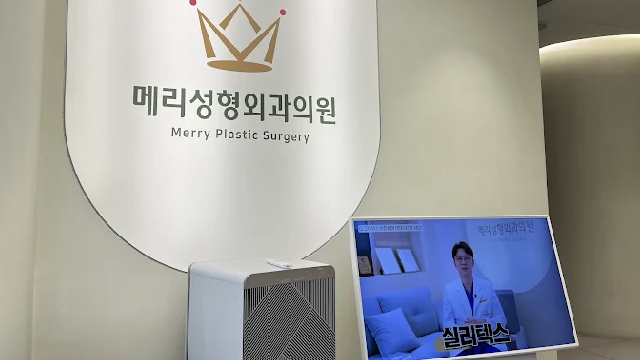
Merry Plastic Surgery, located near Apgujeong Station in Gangnam, Seoul, takes a patient-centered approach built on honest communication rather than exaggerated promises. Consultations are designed to explain realistic outcomes clearly, so patients can make informed decisions without pressure toward procedures they don't need.
The clinic's facilities include Full HD endoscopic imaging technology, which supports greater surgical precision and can contribute to smoother recovery for select procedures. Structured safety protocols — covering pre-operative evaluation, anesthesia management, and post-operative monitoring — are maintained throughout the treatment process to support patient wellbeing at every stage.
Recovery Timeline and What to Expect
Recovery from facial contouring is gradual, and patience is genuinely part of the treatment. In general terms:
First week: Swelling and bruising are typically most noticeable during this period, often peaking within the first two to three days before beginning to level off. Patients are advised to rest, keep the head elevated, and follow post-operative instructions closely, including care around diet — often starting with soft foods — and limiting jaw movement or strenuous activity.
Weeks two to four: Visible bruising usually fades first, while swelling continues to decrease more slowly. Many patients feel comfortable returning to work or normal daily routines during this window, though the face may still appear fuller than the eventual result.
Months one to three: Swelling continues to resolve gradually, and the emerging contour becomes easier to assess, although some subtle puffiness — particularly around the jawline — can still be present.
Months three to twelve: The final facial contour becomes progressively more apparent as underlying tissue fully heals, settles, and adapts to the new bone structure. Because bone remodeling and soft-tissue redraping continue quietly well after the visible swelling has gone down, patients are encouraged to view the one-year mark, not the first few weeks, as the more meaningful point for evaluating final results.
Exact timelines vary by individual and by the specific combination of procedures performed, which is why the surgical team reviews progress at each follow-up visit rather than relying on a single generic schedule. Factors such as the extent of bone adjustment, individual healing rate, and adherence to post-operative care instructions can all influence how quickly recovery progresses.
Safety and Realistic Outcomes
As with any surgical procedure, facial contouring carries inherent risks, and outcomes depend on individual anatomy, healing capacity, and adherence to post-operative care. Potential considerations discussed during consultation can include temporary numbness or altered sensation as nerves recover, asymmetry that may require time to resolve as swelling subsides evenly, and the general risks associated with anesthesia and surgical healing. Understanding these possibilities in advance — rather than encountering them unexpectedly during recovery — is part of what allows patients to approach the process with realistic expectations.
Merry Plastic Surgery emphasizes thorough pre-operative planning and attentive follow-up to help manage these risks responsibly. Patients are encouraged to view recovery as an ongoing process supported by their care team, rather than expecting immediate final results in the days following surgery. Open communication with the surgical team throughout recovery — reporting unusual pain, prolonged swelling, or any concerns promptly — remains one of the most effective ways patients can support their own healing.
Frequently Asked Questions
How long does swelling last after facial contouring? Initial swelling typically peaks within the first few days and improves noticeably over the following weeks, but subtle swelling can continue to resolve gradually over several months as deeper tissue layers settle.
When can I return to work or normal activities? Many patients feel ready to resume light daily activities within two to four weeks, though this depends on the extent of surgery performed and individual healing pace. The surgical team provides specific guidance based on each patient's procedure and progress.
When will I see the final result? Because bone and soft tissue continue to settle for an extended period, most surgeons consider the six-month to one-year mark a more reliable point for assessing final results than the weeks immediately following surgery.
Is facial contouring painful? Discomfort is generally manageable with appropriate pain control measures provided by the care team, and tends to be most noticeable in the first several days before gradually easing.
A Thoughtful Approach to a Significant Decision
Facial contouring is a meaningful decision that affects both appearance and daily life during recovery. At Merry Plastic Surgery, the emphasis remains on transparent communication, individualized surgical planning, and continuous support from consultation through long-term follow-up — reflecting the clinic's broader philosophy that lasting, natural-looking results come from careful planning and patient partnership, not shortcuts.
Patients considering facial contouring are welcome to visit Merry Plastic Surgery at 6, Nonhyeon-ro 175-gil, Gangnam-gu, Seoul (Royal Building, 4th Floor) to discuss their goals and learn whether this procedure is the right fit for their individual facial structure and expectations.
More Articles
Continue reading our clinical guides.
Operating Room Standards: What You Can Ask and Verify
You will never inspect a sterilization room. What you can do is ask questions whose answers reveal whether a facility thinks about this systematically.
Learn More

Staying in Korea After Rhinoplasty: Why No Number Exists
The clinic publishes no fixed figure, and that is not an omission. A nose heals on a timetable long enough that any single number would be misleading.
Learn More

Bringing Someone With You: What a Companion Actually Does
Decide this by listing the hours a companion would actually cover, rather than by how you feel about going alone. Most are ordinary, and a few are not.
Learn More