Personalized Medical Care & Dedicated International Patient Concierge

Medical Guide
Functional Rhinoplasty for Chronic Nasal Breathing Problems
Functional rhinoplasty corrects the structure blocking your nose, such as a deviated septum, enlarged turbinates, or nasal valve collapse. Here is how it works.
Schedule a ConsultationFunctional Rhinoplasty for Chronic Nasal Breathing Problems
Medically reviewed by Dr. Hong Sung Taek, Chief Director & Board-Certified Plastic Surgeon, Merry Plastic Surgery
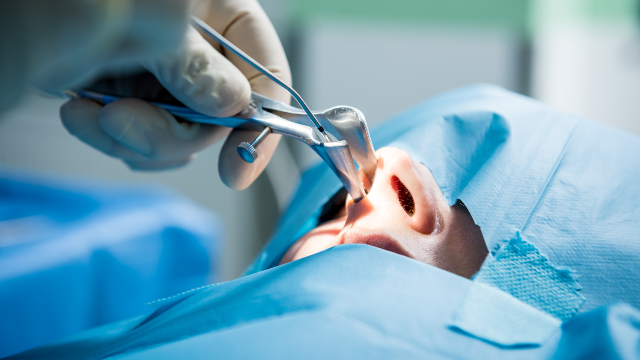
Functional rhinoplasty is nose surgery whose purpose is to restore airflow by correcting the structure inside the nose that is blocking it. Merry Plastic Surgery, a plastic surgery clinic in Gangnam-gu, Seoul, describes it as a procedure that addresses conditions such as a deviated septum, enlarged inferior turbinates, and narrowing or collapse of the nasal valve. Unlike cosmetic nose surgery, which is concerned mainly with appearance, this operation begins with finding the physical reason you cannot breathe well. Whether you are a candidate depends on whether that reason can actually be identified on examination and imaging.
What Functional Rhinoplasty Actually Corrects
Functional rhinoplasty targets the internal structures that most often limit nasal airflow. Merry Plastic Surgery names septal deviation, inferior turbinate hypertrophy causing airway obstruction, and nasal valve stenosis or collapse as the diagnoses it treats. A crooked external nose associated with breathing difficulty is also on the clinic's list.
- The septum. Mayo Clinic explains that a deviated septum occurs when the thin wall dividing the nasal passages sits off to one side, which makes one side of the inside of the nose smaller. Mayo Clinic also notes that most deviated septums cause no symptoms, and that when symptoms do appear they can include blockage in one or both nostrils, noisy breathing during sleep, and a need to sleep on one particular side.
- The inferior turbinates. Cleveland Clinic describes turbinates as small structures inside the nose that clean, warm, and humidify the air you breathe. They can swell in response to irritation, allergies, or infection, and Cleveland Clinic notes that in some people this swelling becomes chronic, a state clinicians call hypertrophy.
- The nasal valve. StatPearls, the peer-reviewed clinical reference published through the U.S. National Library of Medicine's NCBI Bookshelf, describes the nasal valve as the flow-limiting segment of the airway, bordered by the upper lateral cartilage, the septum, and the head of the inferior turbinate.
These problems frequently travel together. StatPearls notes that hypertrophy of the front portion of the inferior turbinates is a common cause of nasal airway obstruction and can be present at the same time as septal deviation, nasal valve collapse, or both. Cleveland Clinic likewise reports that most people with nasal valve collapse also have a deviated septum.
How the Cause Is Identified Before Surgery Is Planned
Merry Plastic Surgery describes a diagnostic-first approach and sets out its process in three steps. The first is consultation: a review of your breathing symptoms, a discussion of previous nasal trauma or surgery, and an assessment of any cosmetic concerns. The second is diagnostic evaluation using 3D CT imaging and Full HD nasal endoscopy, with the septum, turbinates, nasal valve area, and sinus anatomy each examined. The third is surgical planning, in which the specific structural cause of your symptoms is identified and a personalized plan is written around it.
The clinic lists the equipment used for this assessment: 3D CT imaging, a Full HD nasal endoscope, a Full HD Stryker endoscopic system, a ChamMed ENT station, and a Cobrator II radiofrequency coblation system for turbinate reduction. Merry Plastic Surgery also states that Full HD Stryker endoscopic visualization is used during surgery itself, not only beforehand.
Some of what happens at a consultation is standard across practice. Cleveland Clinic notes that a clinician evaluating suspected nasal valve collapse may work through the Nasal Obstruction Symptom Evaluation questionnaire, which ranks symptoms from mild to extreme, and may perform the Cottle maneuver, gently pulling the cheek to one side to see whether widening the valve relieves the blockage.
How This Differs From Cosmetic Rhinoplasty
Merry Plastic Surgery draws the distinction plainly: functional rhinoplasty exists to correct an identified structural cause of impaired nasal airflow, while cosmetic rhinoplasty focuses primarily on external shape. Cleveland Clinic makes a similar split, listing cosmetic rhinoplasty and functional rhinoplasty as separate categories of the same operation.
The two are not mutually exclusive. Merry Plastic Surgery states that when functional and aesthetic concerns arise from the same underlying anatomy, both may be addressed within one coordinated plan. A visibly crooked nose after an old injury is the clearest example, because the deviation that shows on the outside can be the same deviation that narrows the airway inside. The clinic lists septoplasty, nasal valve reinforcement, turbinate reduction, crooked nose correction, hump nose correction, structural cartilage grafting, and external nasal bone correction among the procedures that may be combined with functional rhinoplasty.
Who Is a Candidate, and Who Should Wait
Merry Plastic Surgery lists the findings that may make someone suitable:
- Diagnosed septal deviation
- Nasal valve stenosis or collapse
- Inferior turbinate hypertrophy causing airway obstruction
- A crooked nose associated with breathing difficulty
- Functional and cosmetic concerns that need correction at the same time
- Persistent breathing problems following previous nasal surgery
- Structural nasal abnormalities confirmed through imaging and examination
The clinic is equally specific about when a different plan is needed. Additional evaluation may be required for patients without an identifiable structural cause of breathing difficulty, patients with unrealistic expectations, patients with active nasal or sinus infections, and patients whose general health makes surgery inappropriate. Final candidacy should always be determined by the treating surgeon.
Surgery is also not the automatic first move. Cleveland Clinic notes that steroid nasal sprays and antihistamines are recommended as a first line of treatment for turbinate swelling, with turbinate reduction considered when those do not work, and describes breathing strips and internal nasal dilators as non-surgical options for mild valve symptoms. Mayo Clinic notes that medicines may reduce swelling inside the nose but that surgery is what corrects a deviated septum itself.
What the Operation May Include
Merry Plastic Surgery describes the surgical sequence as anesthesia, then septal correction if needed, nasal valve reinforcement if needed, turbinate reduction if indicated, and external nasal correction when appropriate, followed by monitoring and scheduled follow-up. The clinic states that the surgery is generally performed under sleep or general anesthesia depending on the scope of correction.
Each component has a well-described purpose in the wider literature. MedlinePlus, the patient-education service of the U.S. National Library of Medicine, explains that in septoplasty the surgeon lifts the membrane covering the septum, then moves, repositions, or removes the cartilage or bone causing the blockage before returning the membrane to place, and that the operation usually takes about one to one and a half hours. For the turbinates, Cleveland Clinic lists reduction techniques including cauterization, radiofrequency reduction, coblation, microdebrider submucosal resection, and partial resection, and notes that coblation uses a lower temperature in order to leave surrounding tissue intact. For the valve, StatPearls lists spreader grafts, butterfly grafts, and alar batten grafts among the repair techniques available.
Restraint matters as much as technique. StatPearls advises that when septal cartilage is resected, a one-centimeter segment of caudal and dorsal cartilage should be left behind to keep the nose supported, and warns that overly aggressive inferior turbinate surgery can lead to empty nose syndrome, with pathological dryness and mucus stasis.
Risks and Honest Limits
Merry Plastic Surgery lists swelling, bruising, temporary nasal congestion, variability in internal healing, residual breathing symptoms, differences between expected and actual aesthetic outcomes, and the possibility that further treatment is required. The clinic also notes the risks of nasal surgery and anesthesia generally, including incomplete improvement in breathing, persistent or recurrent obstruction, asymmetry, changes in nasal appearance, and healing problems.
Outside sources describe the same territory. MedlinePlus lists return of the nasal blockage, scarring, a hole in the septum, changes in skin sensation, and loss of smell or taste among the risks specific to septoplasty. Its rhinoplasty page adds loss of support of the nose, contour deformities, worsening of breathing through the nose, and the need for further surgery. Cleveland Clinic notes that turbinate tissue can eventually grow back, and reports an overall success rate for turbinate reduction of about 82 percent.
None of this means the operation usually disappoints. MedlinePlus states that most septoplasty procedures do straighten the septum and that breathing usually improves, and Cleveland Clinic reports that most people say their symptoms improved after nasal valve collapse surgery. It does mean no specific result can be promised in advance. Outcomes depend on which structures were treated, how severe the original problem was, and how your own tissue heals.
Recovery and How Airflow Improves Over Time
Merry Plastic Surgery states that recovery varies according to which structures were corrected, that swelling and internal healing continue for weeks, and that follow-up is typically arranged through two to three in-person visits. Initial changes become apparent as swelling begins to settle, but the nose keeps healing internally and externally, so improvement should be judged progressively rather than immediately. The clinic's aftercare protocol covers monitoring of airway function, swelling management, scheduled follow-up visits, and assessment of healing progress.
For a sense of the outer timeline, MedlinePlus notes that after rhinoplasty most swelling has improved by two to three months, while full recovery takes about a year and the tip of the nose may stay slightly swollen or numb for several months. Cleveland Clinic notes that after turbinate reduction, crusting inside the nose can last up to three weeks and complete recovery can take up to six weeks. Merry Plastic Surgery advises avoiding anything that could interfere with healing or place unnecessary pressure on the nose until your surgeon clears it.
Planning Surgery in Seoul From the United States
Merry Plastic Surgery is located on the 4th floor of the Royal Building, 6 Nonhyeon-ro 175-gil, Gangnam-gu, Seoul. It is registered as a Medical Institution for Attracting Foreign Patients, certified by Korea's Ministry of Health and Welfare. Clinic hours are Monday through Friday from 9:30 AM to 6:30 PM and Saturday from 9:30 AM to 4:00 PM, with Sundays and public holidays closed.
The clinic identifies two dedicated international patient coordinators, Director Hyemi Jung and Director Yoonjin Park, who assist foreign patients throughout their visit, and states that its service covers patients from consultation through postoperative care. English-language support is available, and initial contact runs through the clinic's contact page.
Your reviewing surgeon, Dr. Hong Sung Taek, is the Chief Director and a board-certified plastic surgeon. He earned his M.D. at Korea University College of Medicine and an M.S. in Plastic Surgery at Korea University Graduate School, and completed specialist training at Korea University Medical Center. He is an Adjunct Professor at Korea University Medical Center and a member of the Rhinoplasty Study Group of the Korean Society of Plastic and Reconstructive Surgeons. The clinic lists functional rhinoplasty and revision rhinoplasty as his subspecialty expertise; his surgeon profile is on the clinic site, alongside the wider medical team.
Questions Worth Asking at Your Consultation
Cleveland Clinic suggests asking how severe the collapse is, whether surgery is needed, which technique is recommended, what the risks are, and how long recovery will take. For a functional rhinoplasty consultation, it is worth adding:
- Which structure is causing my obstruction, and what did the imaging show?
- Are you correcting one structure or several, and why?
- What happens to my nasal appearance if you reinforce the valve or straighten the septum?
- If breathing does not improve as much as hoped, what are the next options?
- How will follow-up work once I return to the United States?
Merry Plastic Surgery states that patients should prepare by giving the surgical team a complete history of breathing symptoms, previous nasal trauma or surgery, chronic rhinitis or sinus problems, and their aesthetic goals, and by completing the recommended 3D CT and nasal endoscopy before the plan is finalized.
The Bottom Line
- Functional rhinoplasty treats an identified structural cause of nasal obstruction, most often a deviated septum, enlarged inferior turbinates, or a narrowed or collapsing nasal valve.
- Merry Plastic Surgery states that it uses 3D CT imaging and Full HD nasal endoscopy to find that cause before a surgical plan is written, and Full HD Stryker endoscopic visualization during surgery.
- Functional and cosmetic correction may be planned together when both problems come from the same anatomy, but the functional goal is what defines the procedure.
- Risks include incomplete improvement, recurrent obstruction, asymmetry, and the possibility of further treatment; results vary with individual anatomy and healing and cannot be guaranteed.
- Final candidacy is determined by the treating surgeon after examination and imaging, not from photographs or symptoms alone.
Frequently Asked Questions
Will functional rhinoplasty change how my nose looks?
It can, and that is sometimes intentional. Merry Plastic Surgery states that external nasal correction may be included when appropriate, and that functional and aesthetic concerns arising from the same anatomy can be addressed in one coordinated plan. If you want the outside of your nose left as unchanged as possible, say so during consultation so the plan reflects that.
Can I have this surgery if my breathing got worse after a previous nose operation?
Persistent breathing problems following previous nasal surgery are on Merry Plastic Surgery's list of findings that may make someone a candidate. Cleveland Clinic notes that nasal valve collapse can follow rhinoplasty, though it adds that slight narrowing is far more common than severe collapse. You would still need the full diagnostic evaluation, and the clinic asks that previous surgical history be disclosed because it affects planning and recovery.
What happens if my nose still feels blocked afterward?
Merry Plastic Surgery names residual breathing symptoms and persistent or recurrent obstruction among the risks, and lists the possibility of additional treatment if required. Cleveland Clinic notes that turbinate tissue can regrow over time, which is one reason symptoms can return. Report ongoing obstruction to your surgical team rather than waiting, since the clinic's aftercare protocol includes monitoring of airway function.
Is turbinate reduction always part of the operation?
No. Merry Plastic Surgery describes turbinate reduction as a step performed if indicated, alongside septal correction if needed and nasal valve reinforcement if needed. Whether it applies to you depends on what the 3D CT scan and endoscopic examination show. Cleveland Clinic also notes that steroid sprays and antihistamines are normally tried before turbinate surgery is considered.
What anesthesia is used, and how many follow-up visits should I expect?
Merry Plastic Surgery states that functional rhinoplasty is generally performed under sleep or general anesthesia depending on the scope of correction. The clinic describes follow-up as typically two to three in-person visits, though it also notes that recovery varies according to which structures were corrected. Some discomfort, swelling, congestion, and tenderness can be expected after nasal surgery.
How do international patients handle consultation and aftercare?
Merry Plastic Surgery provides English-language international support and names Director Hyemi Jung and Director Yoonjin Park as dedicated international patient coordinators who assist foreign patients throughout their visit. The clinic states that its service covers patients from consultation through postoperative care, with ongoing communication available after treatment. Initial contact is made through the clinic's contact page.
This article is for general informational purposes and does not constitute individualized medical advice. Surgical candidacy, technique, and expected outcomes can only be determined through a consultation with a qualified surgeon. It is not a self-diagnosis tool.
More Articles
Continue reading our clinical guides.
Operating Room Standards: What You Can Ask and Verify
You will never inspect a sterilization room. What you can do is ask questions whose answers reveal whether a facility thinks about this systematically.
Learn More

Staying in Korea After Rhinoplasty: Why No Number Exists
The clinic publishes no fixed figure, and that is not an omission. A nose heals on a timetable long enough that any single number would be misleading.
Learn More

Bringing Someone With You: What a Companion Actually Does
Decide this by listing the hours a companion would actually cover, rather than by how you feel about going alone. Most are ordinary, and a few are not.
Learn More