Personalized Medical Care & Dedicated International Patient Concierge

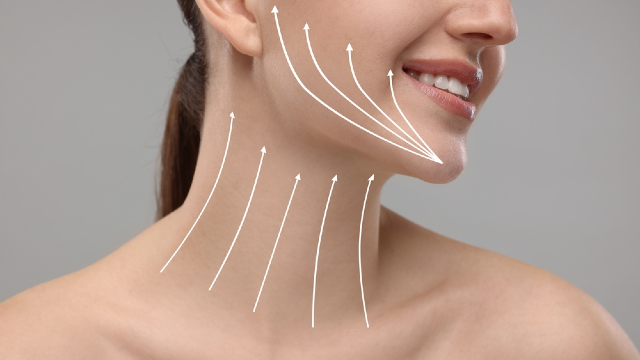
Medical Guide
Neck Lift or Mini Neck Lift: Four Tissues, One Complaint
Fat, muscle, skin and deeper tissue position each blur a jawline, and they look alike from outside. Which ones are involved is what picks the operation.
Schedule a ConsultationNeck Lift or Mini Neck Lift: Four Tissues, One Complaint
Medically reviewed by Dr. Hong Sung Taek, Chief Director, Merry Plastic Surgery
"My jawline has gone" is a complaint about appearance. Underneath it there are four different tissues, any of which can produce it, and they are not treated the same way.
Merry Plastic Surgery's published description for this whole category is unusually explicit about that, and it is the most useful sentence in the record: the treatment plan is selected according to whether fat, muscle, skin, or deeper tissue position is primarily responsible for the concern.
Four candidates. One appearance. The examination's job is to say which.
The four, and what each looks like from inside
Fat. Localized deposits beneath the chin or along the lower face. Fat is additive — it fills a space that used to be a line.
Muscle. The platysma, a broad sheet running up the front of the neck. When its edges separate and slacken they can become visible as vertical bands, and the sheet's loss of tension removes support from beneath the jawline.
Skin. Elasticity declines and skin that once retracted no longer does, producing looseness rather than volume. The National Library of Medicine's overview of skin aging covers the mechanism.
Deeper tissue position. Structures that have descended. Not extra tissue and not loose skin — tissue that is where it used to be higher.
Most necks present a combination. The published assessment is a ranking exercise as much as a detection one: which of the four is primarily responsible.
What the published assessment weighs
The record lists it in detail, and it is worth knowing so you can recognize what is being examined.
Lower-face and submental fat distribution. Skin thickness and elasticity. Platysma muscle position and laxity. Neck bands. Jowls. Jawline definition. The chin-to-neck angle. Previous procedures, medical history and aesthetic goals.
The neck-lift consultation adds chin projection, asymmetry, and the relationship between the face and neck — because a neck is not assessed in isolation from the face above it.
Chin projection is the one that surprises people. A chin that sits further back changes the chin-to-neck angle without anything having sagged at all, and a plan built without noticing that is solving a different problem.
The published menu, and what each option is for
Four options appear in the clinic's jawline and neck category, each mapped to a finding.
Lower Face Liposuction — considered when localized fat is the primary concern and skin elasticity is relatively good. Uses a small cannula to remove selected localized deposits from the lower face, jawline and adjacent areas.
Merry ZERO (Double Chin Surgery) — considered when fat is combined with platysma muscle laxity. May involve liposuction with a specialized micro-cannula, direct removal of deeper fat beneath the platysma when indicated, platysma muscle ligation, and the clinic's fixation technique. Published surgical time is around 40 minutes, sutures out at about 5 to 7 days, one to two follow-ups, initial recovery around one week. 3D-CT and ultrasound may be used in its assessment.
Mini Neck Lift — considered for mild to moderate or localized neck laxity: early jawline softening, localized tissue descent, limited platysma-related concerns, relatively good skin quality, and a smaller degree of correction required. A more limited treatment area and possibly a more limited incision pattern.
Neck Lift — considered for more advanced tissue laxity, loose skin, neck bands, jowls, or combined fat, muscle and skin concerns, and for concerns that cannot be adequately corrected through liposuction or a limited lift.
Read down that list and the logic is visible: each option adds a tissue. Liposuction addresses fat. Merry ZERO adds muscle. The lifts add skin and deeper tissue position.
What the lifts actually do
The published neck-lift description names four actions, performed as the anatomy requires: tightening or repositioning the platysma muscle, redraping the skin, removing appropriate excess skin, and reducing localized fat when needed.
Expected improvements, as published: a smoother neck contour, reduced visibility of neck bands, improved jawline definition, and a clearer transition between chin and neck. Platysma tightening or repositioning may address muscle laxity or visible vertical bands. A mini neck lift generally provides a more limited degree of correction than a comprehensive one.
And one line worth carrying into any consultation about this area: a neck lift is intended to reposition and contour existing tissues while maintaining the patient's fundamental facial appearance. That is a statement about scope. It is not an operation that makes you look like someone else, and it is not marketed here as one.
The risk list is the longest in the record
Most published risk sections for this clinic are brief. This one is not, and the difference is informative rather than alarming.
Named: swelling, bruising, tightness, tenderness, temporary numbness or altered sensation, visible or widened scars, asymmetry, bleeding or hematoma, fluid accumulation, infection, delayed wound healing, hairline changes near an incision, skin contour irregularities, nerve-related weakness or sensation changes, unsatisfactory contour, and a need for additional treatment.
Sixteen items. Three deserve a sentence each.
Numbness and altered sensation. Skin sensation in the neck and jaw can change after surgery here, and it is common enough to be listed first among the sensory items. Ask how long altered sensation typically persists.
Hairline changes near an incision. Incisions around the ear and into the hairline can move a hairline slightly. If yours is a concern, say so during planning, not afterward.
Scars. Named as potentially visible or widened. The published preparation explicitly says the surgeon discusses incision location, expected scars, treatment limitations, possible risks, recovery and follow-up before surgery. The National Library of Medicine covers scars, wounds and injuries and infection control.
Contact the clinic promptly, the record says, for unexpected pain, increasing swelling, bleeding, breathing difficulty, signs of infection, or another concerning symptom. Breathing difficulty on that list is the one to memorize — it is neck surgery.
What the record does not publish
No duration and no visit requirement for neck lift or mini neck lift. Merry ZERO has published figures; the lifts do not. For a patient flying in, that is the number you most need, and it has to be requested.
No exclusion list for the category or for the lifts. What is published is that patients should be medically suitable for surgery and have realistic expectations regarding scars, recovery, limitations and results.
No fixed recovery period for jawline and neck procedures other than Merry ZERO. The record says recovery varies by procedure and individual healing, and that patients should follow individualized instructions on wound care, compression, sleeping position, exercise, medications and pressure on treated areas.
Anesthesia, similarly, depends on surgical extent and patient condition, with the record advising patients to discuss the recommendation directly with the surgeon. Anesthesia and after surgery cover the general picture.
Age is not the criterion
One published claim is worth isolating, because it contradicts how this subject is usually discussed: treatment selection is based on anatomy and degree of laxity rather than age alone.
A forty-year-old with a prominent platysma band and good skin is a different problem from a sixty-year-old with loose skin and no banding — and the second is not automatically the bigger operation. Which tissue, and how much, decides.
The record is equally plain about limits: the procedure cannot stop natural aging, results vary with skin elasticity, muscle condition, tissue laxity, fat distribution, anatomy, surgical scope, healing, weight fluctuations, lifestyle, genetics and sun exposure, and no specific jawline shape or permanent prevention of future aging is assured. Weight stability and sun exposure both appear there for a reason.
The single question that organizes a consultation
"Which of the four — fat, muscle, skin, deeper tissue position — is primarily responsible in my case, and what does each of the options address?"
Ask that and the entire published logic unfolds in the answer. It also surfaces the mismatches: someone hoping liposuction will fix a platysma band, or expecting a lift to remove submental fat that has not been addressed.
Two more worth adding: how long should I plan to stay in Korea, given that duration and visit requirements are not published for the lifts; and what will this not change, which for the neck is usually chin projection and skin quality.
Send them ahead through the clinic's contact page. Appointments have to fit a week that opens at 9:30 a.m. and closes at 6:30 p.m. on weekdays and 4:00 p.m. on Saturdays, with Sundays and public holidays closed. The clinic's own statement of how it works is on its about page, and talking with your doctor covers making the appointment count.
A note on scars, since they are named
The published risk list includes visible or widened scars, and the preparation step says the surgeon discusses expected scars before surgery. That combination is worth taking literally: ask to be shown where the incisions would sit on your own neck and hairline, rather than being told the general pattern.
The Bottom Line
- Four tissues can blur a jawline — fat, platysma muscle, skin, and deeper tissue position — and the published plan is selected according to which is primarily responsible.
- The clinic's four published options each add a tissue: liposuction for fat, Merry ZERO for fat plus muscle, and the mini and comprehensive neck lifts for skin and deeper position.
- A neck lift's published actions are platysma tightening or repositioning, skin redraping, appropriate skin removal, and localized fat reduction when needed.
- The risk list is the longest in this clinic's record — sixteen items including altered sensation, hairline changes and visible or widened scars.
- Duration, visit requirements and an exclusion list are not published for the lifts, so a traveler has to ask for the stay length directly.
Frequently Asked Questions
How do the two neck lifts differ in scope?
Scope. A mini neck lift addresses mild to moderate or localized laxity through a smaller treatment area, and provides a more limited degree of correction than a comprehensive neck lift.
What causes visible neck bands?
The platysma, a broad sheet of muscle in the front of the neck, whose edges can become visible as vertical bands as it slackens. Correction may involve tightening or repositioning it.
Would liposuction alone fix my jawline?
Only if localized fat is the primary concern and skin elasticity is relatively good — that is the published condition for considering lower face liposuction.
What is Merry ZERO for?
Fat combined with platysma muscle laxity. It may involve micro-cannula liposuction, direct removal of deeper fat when indicated, platysma ligation and the clinic's fixation technique.
How long is the recovery?
Merry ZERO has published figures — sutures at about five to seven days, initial recovery around a week. For the neck lifts the record gives no fixed period, so it must be asked.
Does my age decide which operation I need?
No. The published claim states that treatment selection is based on anatomy and degree of laxity rather than age alone.
What are the main risks?
Sixteen are named, including swelling, bruising, altered sensation, visible or widened scars, hematoma, fluid accumulation, infection, hairline changes and the possible need for further treatment.
Will it stop my neck from aging?
No. The record states plainly that the procedure cannot stop natural aging and that no permanent prevention of future change is assured.
This article is for general informational purposes and does not constitute individualized medical advice. It is not a self-diagnosis tool. Surgical results vary with anatomy, tissue condition and individual healing, and whether a procedure is appropriate for you can only be determined through an in-person consultation and examination by a qualified plastic surgeon.
More Articles
Continue reading our clinical guides.
Operating Room Standards: What You Can Ask and Verify
You will never inspect a sterilization room. What you can do is ask questions whose answers reveal whether a facility thinks about this systematically.
Learn More
Staying in Korea After Rhinoplasty: Why No Number Exists
The clinic publishes no fixed figure, and that is not an omission. A nose heals on a timetable long enough that any single number would be misleading.
Learn More

Bringing Someone With You: What a Companion Actually Does
Decide this by listing the hours a companion would actually cover, rather than by how you feel about going alone. Most are ordinary, and a few are not.
Learn More