Personalized Medical Care & Dedicated International Patient Concierge


Breast Surgery · Needs Clinic Confirmation
Breast Lift
A breast lift, known clinically as mastopexy, is a surgical procedure designed to correct breast sagging by repositioning breast tissue, removing excess skin where necessary, and restoring the nipple-areola complex to a more natural position on the breast.
Schedule a ConsultationWhat is a breast lift in breast surgery?

A breast lift, known clinically as mastopexy, is a surgical procedure designed to correct breast sagging by repositioning breast tissue, removing excess skin where necessary, and restoring the nipple-areola complex to a more natural position on the breast. It is not a single fixed operation — the surgical method changes depending on how far the nipple has descended relative to the inframammary fold (the crease beneath the breast), and whether volume, tissue elasticity, or both are compromised.
When a breast sags significantly, it isn't only a cosmetic concern. Excess skin overlap beneath the breast can cause physical discomfort, and many women describe real emotional and psychological strain from the change in their body. Surgery to correct sagging breasts has become an increasingly common procedure, reflecting the growing attention women are giving to reclaiming confidence in their own bodies.
Because breast ptosis exists on a spectrum, from very mild descent to severe sagging combined with excess tissue, Merry Plastic Surgery evaluates each case individually before recommending a specific surgical pathway, which may involve augmentation alone, a dedicated lift procedure, or a lift combined with reduction.
Self-assessing the degree of breast sagging
The degree of breast ptosis can be estimated using the position of the nipple relative to the inframammary fold as the clinical reference point. In a breast without ptosis, the nipple typically sits about 4 to 5 centimeters above this fold. When the nipple sits at or below this fold, surgical correction is generally considered.
A simple way to gauge this at home: raise both arms overhead in a "cheer" position.
If the breast lifts along with the arm movement and the fold line becomes visible, this generally corresponds to Grade 1–2 ptosis.
If the breast continues to cover the fold line even with the arms raised, this generally corresponds to Grade 2–3 ptosis.
The recognized grades of breast ptosis include:
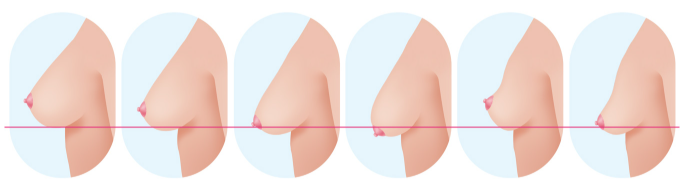
Normal breast — nipple positioned 4 to 5 cm above the inframammary fold
Grade 1 — nipple within 1 cm of the fold line
Grade 2 — nipple positioned 1 to 3 cm below the fold line
Grade 3 — nipple descended more than 3 cm below the fold line
Pseudoptosis — nipple position remains normal, but the breast (mammary) tissue itself sags below the fold
Other atypical breast shapes, which are assessed individually
This self-assessment is a general guide only. A precise diagnosis and surgical recommendation require an in-person consultation.
Who needs breast lift treatment?
A breast lift may be worth discussing with a plastic surgery specialist if you recognize any of the following:
Your breasts have sagged or lost their original shape following pregnancy and breastfeeding
Your nipple sits at or below the level of the breast fold
Your breast has sagged regardless of its overall size
You want to improve breast volume and elasticity together
Significant weight changes have reduced your breast's firmness and shape
You have noticed increased skin overlap beneath the breast that causes physical discomfort
You are looking for a breast contour that feels more proportionate and natural to your frame
You want a surgical plan based on a clear clinical grading of your condition, rather than a generic procedure
Suitability is confirmed through an in-person evaluation of breast ptosis grade, tissue quality, and overall health, since the appropriate surgical approach differs from patient to patient.
Meet the specialists in breast surgery
|
|
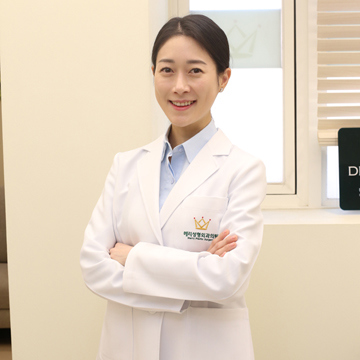
Dr. Sungtaek Hong | Dr. Jimin Lee |
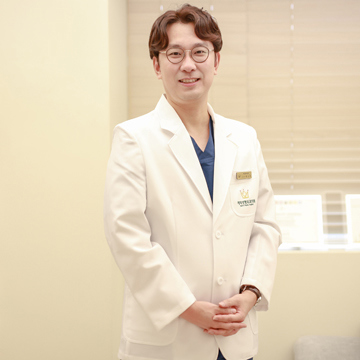
Dr. Sungtaek Hong — Representative Director
Board-certified Plastic Surgeon (Korea University Medical Center) with surgical experience across breast surgery, facial contouring, and lifting procedures. Dr. Hong is a member of the fat grafting research group within the Korean Society of Plastic and Reconstructive Surgeons, relevant to breast contouring cases where fat-based techniques may be considered alongside implant-based approaches.
Dr. Jimin Lee — Director
Board-certified Plastic Surgeon (Kyung Hee University Medical Center) and full member of the Korean Society of Plastic and Reconstructive Surgeons, the Korean Society for Aesthetic Plastic Surgery, and the International Society of Aesthetic Plastic Surgery (ISAPS), among other professional societies.
Together, these specialists share a treatment philosophy centered on evaluating each patient's breast tissue and proportion individually, aiming for results that are both anatomically appropriate and aligned with the patient's personal goals, supported by thorough consultation before any surgical decision is made.
Treatment areas & expected improvements
- Nipple and areola position: When breast ptosis develops, the nipple gradually migrates below its normal position relative to the inframammary fold. Breast lift surgery is designed to reposition the nipple-areola complex closer to a natural, proportionate location on the breast mound, correcting the visual asymmetry that comes with sagging while working to preserve the surrounding tissue.
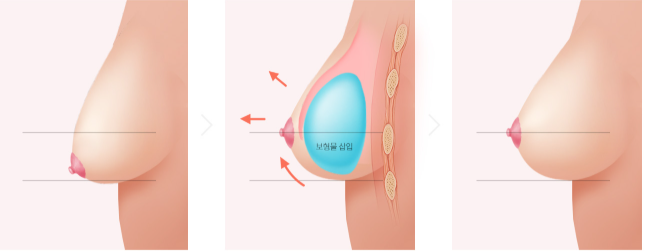
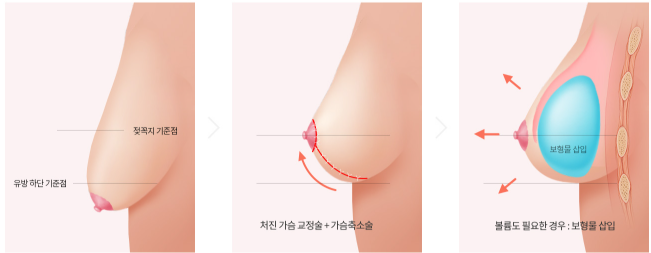
- Breast contour and skin envelope: As skin elasticity decreases with age, pregnancy, or weight change, the skin envelope can no longer adequately support breast tissue, leading to a drooping silhouette. Depending on the degree of sagging, excess skin may be excised and the remaining breast tissue reshaped and repositioned to restore a firmer, more supported contour.
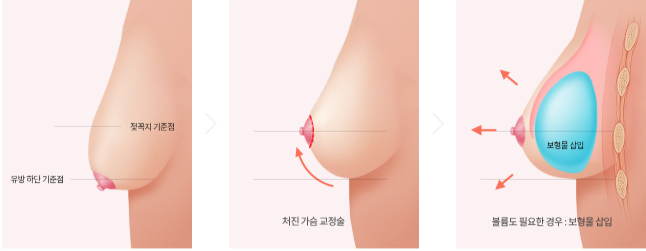
- Breast volume and firmness: In cases of only mild sagging, the addition of an implant can simultaneously improve firmness and add volume, addressing both concerns in a single procedure. In moderate to severe cases, tissue remodeling and, where necessary, volume reduction are used to achieve a proportionate size alongside the corrected position.
- Mammary gland and nerve preservation: Throughout the procedure, care is taken to minimize damage to mammary gland tissue and nerve structures, with the aim of preserving breastfeeding function and nerve sensation to the extent possible given the individual case.
Expected improvements include a more elevated nipple position, a firmer and more balanced breast contour, and a shape that appears more natural and proportionate to the body. Because outcomes depend on the starting degree of ptosis, skin quality, and individual healing response, results vary from patient to patient, and no specific outcome can be guaranteed in advance of an in-person evaluation.
Treatment process & timeline
Consultation: Your surgeon reviews your breast history, including pregnancy, breastfeeding, and weight changes, and discusses your aesthetic goals and any physical discomfort you are experiencing.
Diagnostic assessment: The clinical team grades the degree of breast ptosis based on the nipple's position relative to the inframammary fold, along with an evaluation of skin elasticity and existing breast volume, to determine which surgical pathway is appropriate.
Surgical planning: Based on the ptosis grade, a specific approach is selected: augmentation for mild sagging, a dedicated lift procedure for moderate sagging, or a combined lift-and-reduction approach for severe sagging with excess tissue.
Procedure: The surgery is performed under general anesthesia. Depending on the selected approach, this may involve implant placement, incision-based tissue remodeling and repositioning, excision of excess skin, and fixation of the breast in its corrected position. Surgery time is approximately 1 to 2 hours, though this can vary by individual case and surgical complexity.
Immediate aftercare: Hospitalization is generally not required following the procedure, allowing patients to return home the same day under appropriate post-operative guidance.
Follow-up timeline: Sutures are typically removed after approximately 7 to 10 days, with 2 to 3 follow-up visits scheduled to monitor healing. General recovery is expected within approximately 5 to 7 days, though this timeline can vary depending on the patient's condition and the specific surgical method used.
Results, safety & longevity
Breast lift surgery is intended to produce a durable improvement in breast position and contour, though the degree of longevity depends on individual factors such as skin elasticity, age, weight stability, and future pregnancies, which can all influence how the breast changes over time. No permanent or lifelong result can be guaranteed, since the body continues to age and change after surgery.
The biological rationale behind the procedure centers on repositioning breast tissue and, where necessary, removing excess skin so that the skin envelope can once again adequately support the breast mound, while addressing the underlying loss of elasticity that caused the sagging in the first place.
Safety is supported through an individualized surgical plan: the choice between augmentation, a dedicated lift, or a combined lift-and-reduction approach is made specifically to match each patient's ptosis grade and tissue condition, rather than applying a uniform technique regardless of anatomy. Care is also taken during surgery to minimize disruption to mammary gland tissue and nerve pathways, in an effort to preserve breastfeeding capacity and breast sensation where clinically possible.
As with any surgical procedure, breast lift surgery carries inherent risks, and individual healing responses vary. Patients should discuss any personal health conditions, prior breast surgeries, or future pregnancy plans with their surgeon during consultation, since these factors can affect both surgical planning and long-term outcomes. Anyone experiencing unexpected pain, signs of infection, or other concerning symptoms after surgery should seek prompt medical evaluation.
Why choose Merry Plastic Surgery for breast lift?
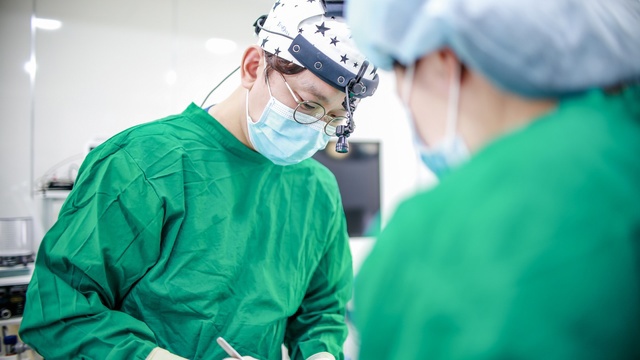
Merry Plastic Surgery approaches breast lift surgery as a clinical decision, not a cosmetic template. Every patient begins with a structured ptosis assessment, and the surgical method, whether augmentation, a dedicated lift, or a combined lift-and-reduction, is selected specifically to match the grade and characteristics of that patient's breast, rather than defaulting to a single standard technique.
The plastic surgery team is led by Dr. Sungtaek Hong and Dr. Jimin Lee, both credentialed specialists with training and professional memberships spanning Korean and international plastic surgery societies, including ISAPS. This depth of specialization supports a surgical process grounded in established clinical standards rather than generalized aesthetic trends.
Merry Plastic Surgery also places particular emphasis on preserving breast function alongside form, with surgical technique aimed at minimizing damage to mammary gland tissue and nerve structures during correction, in recognition that breastfeeding capacity and breast sensation matter to many patients considering this procedure.
Individualized surgical planning based on a clear, graded assessment of breast ptosis
Surgical team led by specialists holding memberships in Korean and international plastic surgery societies, including ISAPS
Technique selection designed to minimize disruption to mammary gland and nerve tissue
Suitable for international patients seeking a structured, consultation-first approach to breast lift surgery
Real patient experiences
Case A — Post-breastfeeding sagging
A patient in her early thirties came in after breastfeeding two children, noticing her breasts had lost their earlier shape and firmness, with the nipple sitting below the breast fold. After assessment placed her in the moderate ptosis range, a dedicated sagging breast correction was performed. She described feeling more comfortable in fitted clothing during her follow-up visits.
Suggested image: A discreet before-and-after profile silhouette illustrating breast position relative to the inframammary fold, without identifying features.
Case B — Mild sagging with a desire for added volume
A patient in her late twenties felt her breasts had softened and lost fullness following weight loss, with only mild nipple descent. Given the mild ptosis grade, breast augmentation was selected to address both the firmness and volume concerns in one procedure.
Suggested image: An anatomical diagram showing implant placement relative to breast tissue, used for educational rather than identifying purposes.
Case C — Severe sagging with excess tissue
A patient in her forties, after significant weight fluctuation over several years, presented with pronounced breast sagging and excess skin laxity. Following evaluation, a combined sagging breast correction and breast reduction was recommended to address both the ptosis and the disproportionate volume together.
Suggested image: A simplified surgical illustration showing tissue remodeling and skin excision steps, without patient-identifying imagery.
Individual results vary based on each patient's starting condition, and these examples are illustrative rather than a guarantee of similar outcomes for every patient.
Ready to restore your breast's natural shape?
If sagging, nipple displacement, or reduced firmness have changed the way your breasts look and feel, a consultation with the plastic surgery team at Merry Plastic Surgery is the first step toward understanding your options. During your consultation, your ptosis grade will be assessed in person, and your surgeon will walk you through which surgical approach, whether augmentation, a dedicated lift, or a combined lift-and-reduction, is most appropriate for your specific breast condition, so that you can make an informed decision about moving forward.
Contact Merry Plastic Surgery to arrange a private consultation and discuss your breast lift options with Dr. Sungtaek Hong or Dr. Jimin Lee.
For general questions before booking, our patient coordination team is also available to help you understand the consultation process and what documentation or information to prepare in advance, particularly if you are coordinating your visit from abroad.
Other Services
Explore additional treatments offered by our specialists.

Eye Revision Surgery
Eye revision surgery is a corrective procedure for patients who have already undergone double eyelid surgery but are not satisfied with the outcome, or who have developed complications such as an irregular crease, asymmetry, or scarring.
Learn More
Breast Lift
A breast lift, known clinically as mastopexy, is a surgical procedure designed to correct breast sagging by repositioning breast tissue, removing excess skin where necessary, and restoring the nipple-areola complex to a more natural position on the breast.
Learn More

Double Eyelid Surgery
Double eyelid surgery is a procedure within eye plastic surgery designed to create or redefine the fold above the eye — the crease that separates the upper eyelid into two visible sections.
Learn More