Personalized Medical Care & Dedicated International Patient Concierge

Surgical Anti-Aging · Needs Clinic Confirmation
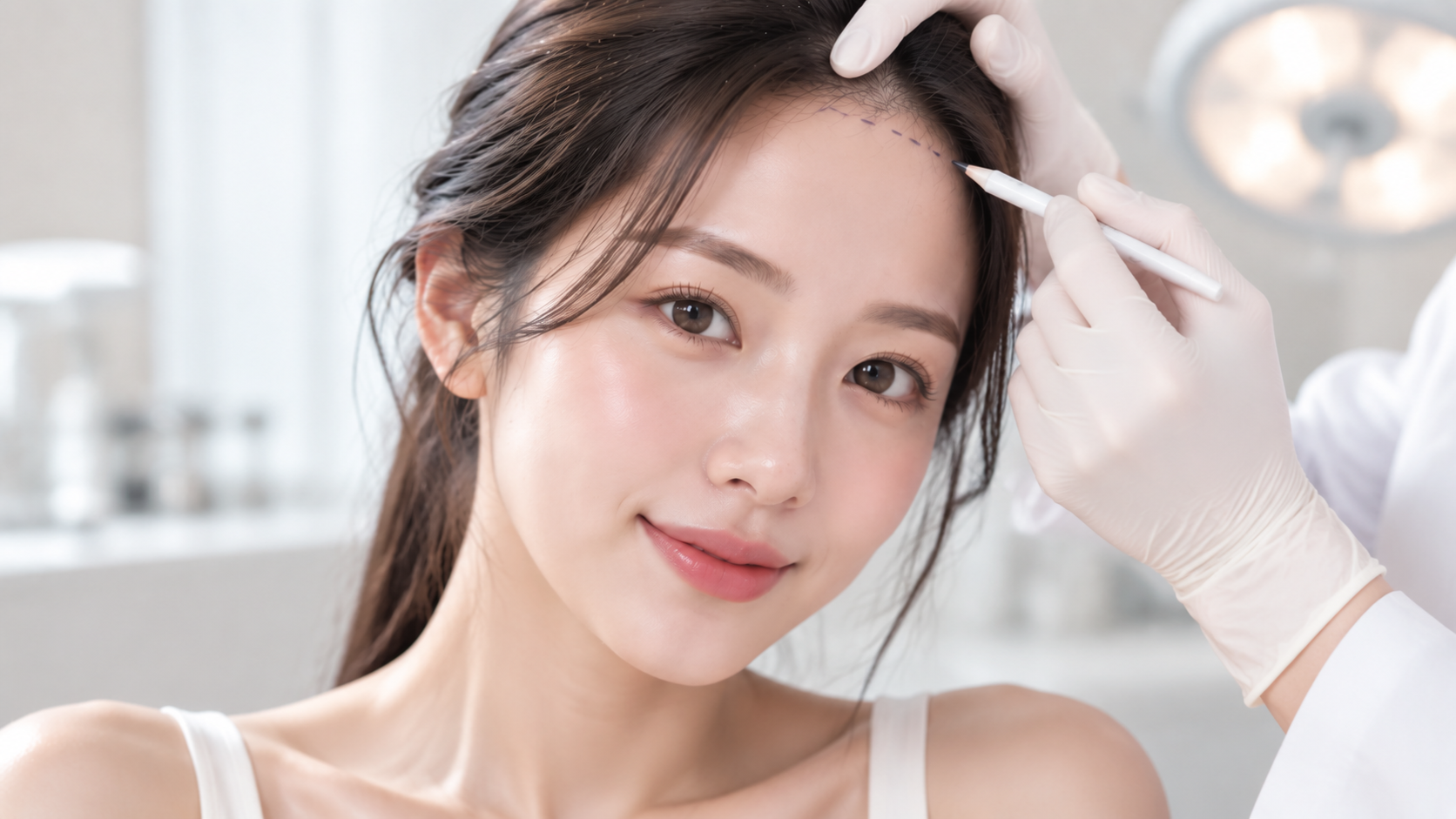
Endoscopic Forehead Lift
The Endoscopic Forehead Lift is a minimally invasive forehead and brow lifting procedure that uses a high-resolution endoscope, sourced from Stryker, to visualize the surgical field in detail throughout the operation.
Schedule a ConsultationWhat is the Endoscopic Forehead Lift in facial plastic surgery?
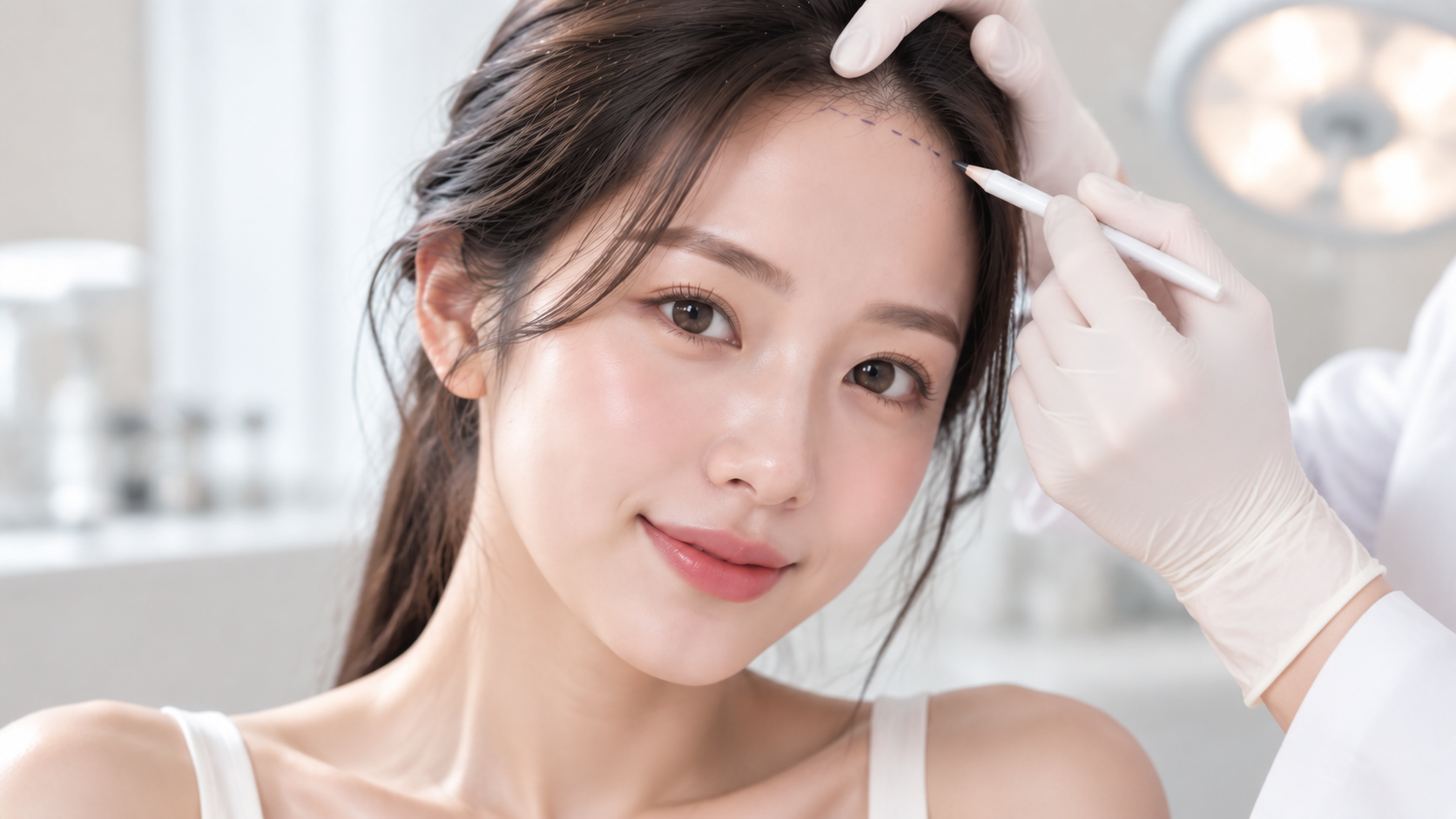
The Endoscopic Forehead Lift is a minimally invasive forehead and brow lifting procedure that uses a high-resolution endoscope, sourced from Stryker, to visualize the surgical field in detail throughout the operation.
Rather than relying on a long, open incision across the top of the scalp, the surgeon works through short incisions hidden inside the hairline. The endoscope is inserted to give a magnified, high-definition view of the nerves, blood vessels, and muscle layers beneath the skin. This visualization allows the surgical team to identify these structures clearly while dissecting the tissue up to just above the eyebrows, which is the region primarily responsible for overall forehead aging.
Because the endoscope allows direct visual confirmation of nerves and blood vessels during dissection, tissue damage can be minimized as the surgery proceeds. This is the central mechanism behind the procedure's approach to safety and recovery: less exploratory dissection, more precise, visually guided movement through the tissue planes.
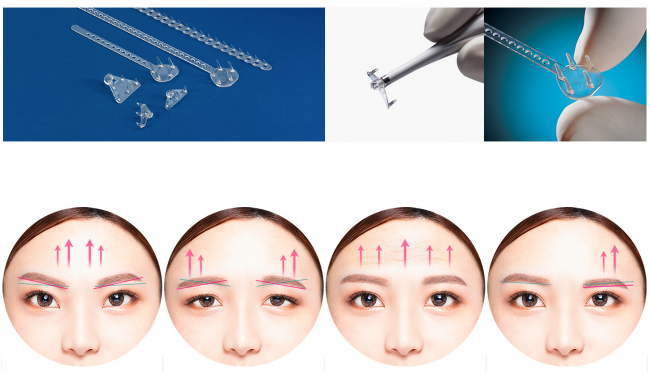
Once the forehead and brow tissue has been released and repositioned, it is secured using Endotine fixation devices — small, hook-shaped fixation implants that hold the lifted tissue firmly and evenly in place. Endotine fixation is intended to distribute tension more naturally across the forehead compared to single-point suture fixation, which is part of why the clinic associates this method with a reduced risk of relapse, a more natural feel, and effective long-term positioning of the lifted tissue.
In short, the procedure combines two elements:
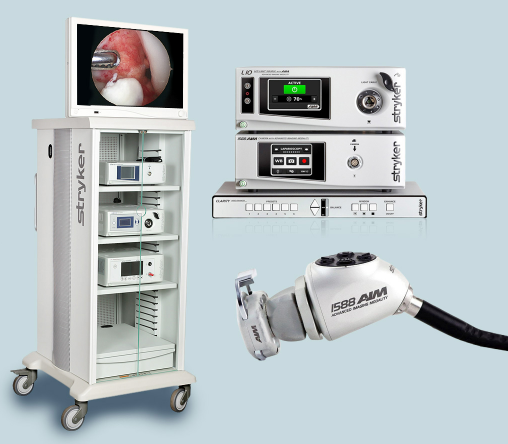
Endoscopic guidance for precise, visually confirmed dissection
Endotine internal fixation for stable, even tissue support after lifting
Together, these are intended to address sagging eyebrows, forehead wrinkles, and glabellar lines in a single procedure, with a shorter incision and a recovery profile suited to patients who want to avoid a longer open forehead lift.
Who needs Endoscopic Forehead Lift treatment?
This procedure may be worth discussing with a specialist if you recognize any of the following in your own reflection:
You want to improve upper-face wrinkles and sagging in a single procedure, rather than treating the forehead and brow area separately
You have forehead wrinkles occurring together with eyebrow or upper eyelid heaviness
The distance between your eyes and eyebrows feels close or crowded, giving your expression a heavy or stuffy appearance
Your resting expression tends to look sharp, stern, or fierce, even when you are not frowning
Your eyebrows sit noticeably unevenly, giving an asymmetric appearance
You want a softer, more refreshed change in your overall impression rather than a dramatic alteration
You have tried other lifting procedures or treatments and were not satisfied with the results
Because individual anatomy, skin quality, and the degree of sagging vary from person to person, suitability for this specific procedure should always be confirmed through an in-person consultation and clinical assessment rather than self-diagnosis.
Meet the specialists in facial plastic surgery at Merry Plastic Surgery
|
|
|
Dr. Sungtaek Hong | Dr. Jimin Lee | Dr. Gayoung Park |
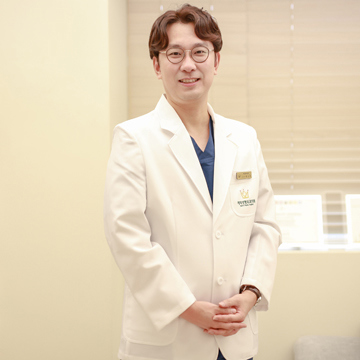
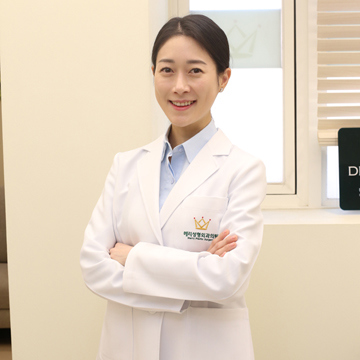
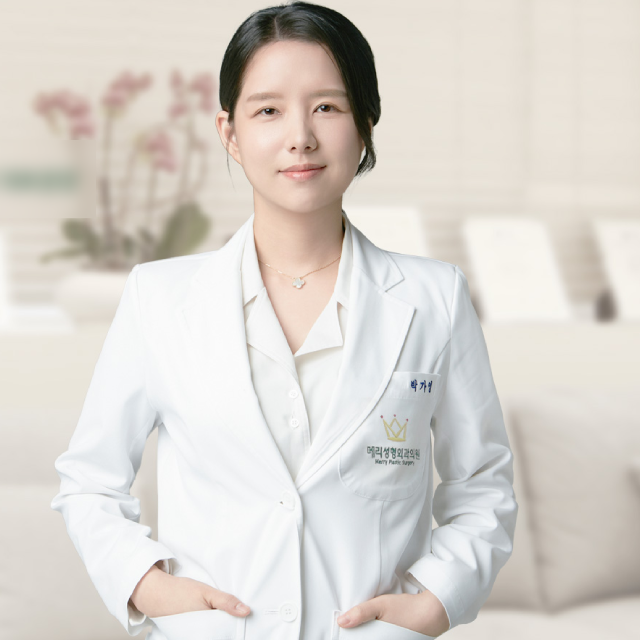
Dr. Sungtaek Hong — Representative Director
Board-certified Plastic Surgeon (Korea University Medical Center) with surgical experience across face lifting, facial contouring, rhinoplasty, and eye surgery. Dr. Hong is a member of both the facial plastic surgery research group and the fat grafting research group within the Korean Society of Plastic and Reconstructive Surgeons, directly relevant to surgical lifting and volume-restoration procedures such as the full facelift, mini facelift, forehead lift, and fat grafting.
Dr. Jimin Lee — Director
Board-certified Plastic Surgeon (Kyung Hee University Medical Center) and full member of the Korean Society of Plastic and Reconstructive Surgeons, the Korean Society for Aesthetic Plastic Surgery, and the International Society of Aesthetic Plastic Surgery, among other professional societies.
Dr. Gayoung Park — Director
Board-certified Family Medicine Specialist (Seoul National University) and full member of the Korean Society for Aesthetic Laser Medicine, relevant specifically to non-surgical laser lifting treatment.
Surgical lifting procedures, including the full facelift, mini facelift, and endoscopic forehead lift, are overseen by the clinic's plastic surgeons, while laser lifting, as a non-surgical treatment, falls within Dr. Park's area of practice. Together, these specialists share a treatment philosophy centered on matching the intensity and type of anti-aging treatment, surgical or non-surgical, to each patient's specific facial structure and stage of aging.
Treatment areas & expected improvements
Correcting a fierce or sharp resting impression: When the eyebrows sit low or at an uneven angle, the upper face can read as sterner or more intense than intended, even in a neutral expression. Repositioning the eyebrows through endoscopic dissection and Endotine fixation is intended to adjust this angle and positioning for a softer resting look.
Correcting drooping, tired-looking eyes: Sagging eyebrows and forehead tissue can push down on the upper eyelid area, contributing to a heavy or fatigued appearance around the eyes. Lifting and securing the forehead tissue is intended to reduce this downward pressure on the upper eyelid region.
Improving forehead and glabellar wrinkles: Static and dynamic wrinkles across the forehead and between the eyebrows are addressed through the dissection and repositioning of the forehead soft tissue, which is intended to smooth the overlying skin surface.
Correcting asymmetric eyebrows: Where one eyebrow sits noticeably higher or lower than the other, the procedure allows for individualized adjustment on each side, aiming for a more balanced and even eyebrow line.
Expected improvements and variability: Patients considering this procedure are typically seeking a softer, more youthful, and more alert overall impression, alongside a visible reduction in forehead and glabellar wrinkling. That said, the degree of improvement depends on each patient's starting anatomy, skin elasticity, and the extent of sagging present before surgery, and outcomes will naturally vary between individuals. No specific or guaranteed result can be promised for any individual case, and results should be discussed realistically during consultation.
Treatment process & timeline
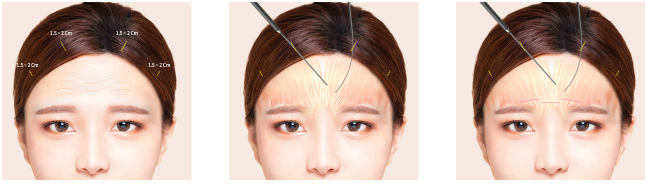
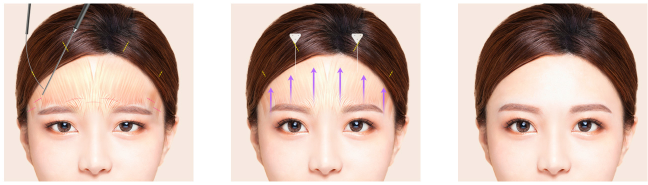
Consultation: The surgeon reviews your forehead, eyebrow position, upper eyelid area, and skin quality, and discusses your concerns and expectations in detail before recommending a surgical plan.
Diagnostic assessment: The clinical team evaluates forehead and brow anatomy, hairline position, and the degree of tissue laxity to determine dissection extent and the appropriate fixation approach.
Preparation: Sleep anesthesia is administered, and a short incision is marked and made within the hairline to allow the endoscope and surgical instruments to be introduced with minimal visible scarring.
Procedure: Through the hairline incision, the surgeon uses the endoscope to visualize nerves, blood vessels, and muscle while dissecting the forehead tissue up to just above the eyebrows. The relevant retaining ligaments are released, and muscle-level correction is performed as needed. The lifted tissue is then secured in position using Endotine fixation devices.
Immediate aftercare: The procedure is typically completed within about one hour, and hospitalization is not required, allowing patients to return home the same day.
Follow-up timeline: Sutures are generally removed after 5 to 7 days, with 1 to 2 follow-up visits scheduled during the early recovery period. General recovery is typically expected within about 5 to 7 days, though this may vary depending on individual healing and the specific surgical details of each case.
Because recovery pace and healing can differ from patient to patient, the timeline above should be treated as a general guide rather than a fixed schedule, and any changes to your individual recovery plan should be confirmed with your surgical team.
Results, safety & longevity
The safety approach behind the Endoscopic Forehead Lift centers on direct visualization. By using a high-definition endoscope to identify nerves and blood vessels throughout the dissection, the surgical team aims to minimize tissue trauma compared to techniques that rely on a wider open incision without this level of visual guidance.
The shorter hairline incision associated with the endoscopic technique is also intended to reduce the visible scarring burden often associated with traditional forehead lift surgery, while direct confirmation of key anatomical structures is intended to lower concerns around nerve or vascular injury during the procedure.
Fixation with Endotine devices is associated with three specific safety-related benefits described by the clinic: a reduced risk of relapse of the lifted tissue, longer-term maintenance of the lift effect, and improved overall safety of the fixation method itself, since the tissue is held in a more distributed and stable manner rather than through a single fixation point.
As with any surgical procedure, individual healing responses vary, and no permanent or guaranteed outcome can be promised. Patients should discuss any personal risk factors, expected side effects, and realistic expectations for longevity directly with their surgeon during consultation, and should seek prompt medical follow-up if they experience unexpected pain, swelling, or other concerns during recovery.
Why choose Merry Plastic Surgery for your Endoscopic Forehead Lift?
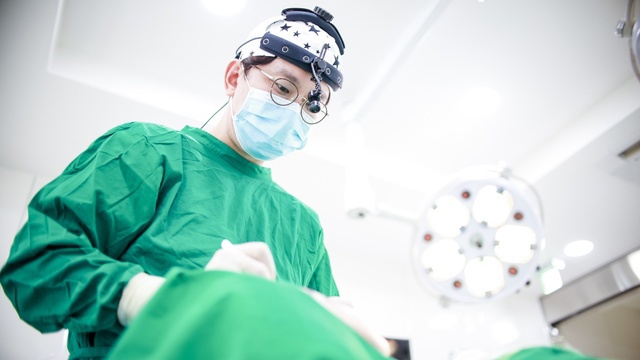
Merry Plastic Surgery approaches forehead and brow rejuvenation with a technique-driven philosophy: rather than relying on a single standardized open lift, the clinic uses Endoscopic visualization from Stryker to guide dissection with precision, paired with Endotine internal fixation to support more even, stable results after lifting.
This combination reflects a broader clinical priority on minimizing tissue disruption while still addressing the full scope of upper-face aging — forehead wrinkles, glabellar lines, eyebrow position, and the downward effect these have on the eyes — within a single, efficient procedure performed under sleep anesthesia without hospitalization.
The surgical team bringing this procedure to patients includes plastic surgery specialists with training across major domestic academic institutions and international clinical exposure, along with active membership in specialized surgical study groups relevant to facial and minimally invasive plastic surgery.
Endoscopic technology: High-resolution visualization of nerves, blood vessels, and muscle throughout dissection, intended to support a more precise and controlled surgical process
Endotine internal fixation: A distributed, hook-based fixation method associated with reduced relapse risk, longer-term effect, and improved fixation safety
Efficient, low-disruption surgical profile: Surgery time within approximately one hour, sleep anesthesia, no required hospitalization, and a general recovery period of about 5 to 7 days
Specialist-led surgical planning: Care overseen by plastic surgery specialists with academic training, international clinical exposure, and active professional society membership
International patients considering this procedure are welcome to arrange a consultation to review their individual anatomy and discuss whether the Endoscopic Forehead Lift is an appropriate option for their goals.
Real patient experiences
A softer resting expression
A patient in her forties had long felt that her resting expression looked more serious than she intended, largely due to lower-set, straight eyebrows. Following her Endoscopic Forehead Lift, she described her overall expression as noticeably softer and less stern in daily interactions.
Suggested image: a natural, front-facing before-and-after comparison focused on the eyebrow and upper eyelid region, in soft, neutral lighting.
Addressing forehead wrinkles and brow heaviness together
A patient in her fifties had been managing both persistent forehead wrinkles and a sense of heaviness around her upper eyelids for several years. She chose the endoscopic approach specifically because it addressed both concerns within a single procedure rather than requiring separate treatments.
Suggested image: a close-up profile shot highlighting the smoothed forehead contour, paired with a short recovery-timeline graphic.
Correcting eyebrow asymmetry
A patient who had noticed a visible difference in eyebrow height between the two sides of her face for years sought a more balanced brow line. After her procedure, she reported feeling more confident in photographs where the asymmetry had previously stood out to her.
Suggested image: a symmetrical front-view portrait emphasizing even eyebrow alignment, taken during a follow-up visit.
These examples are illustrative and describe outcomes consistent with the procedure as described; individual results will vary based on each patient's anatomy and healing.
Ready to talk to a specialist about your forehead and brow concerns?
If sagging eyebrows, forehead wrinkles, or a heavier-than-intended upper-face expression have been on your mind, the next step is a personal consultation with Merry Plastic Surgery's plastic surgery specialists. During this session, your surgeon will assess your forehead and brow anatomy, discuss whether the Endoscopic Forehead Lift is a suitable option for your specific concerns, and walk you through what a realistic outcome and recovery timeline would look like for your case — all before any decision is made about proceeding with surgery.
For further questions or to arrange a consultation time, please reach out to Merry Plastic Surgery's patient coordination team directly. Every consultation is approached individually, with no pressure to commit, so you can take the time you need to feel confident in your decision.
Other Services
Explore additional treatments offered by our specialists.

Eye Revision Surgery
Eye revision surgery is a corrective procedure for patients who have already undergone double eyelid surgery but are not satisfied with the outcome, or who have developed complications such as an irregular crease, asymmetry, or scarring.
Learn More

Breast Lift
A breast lift, known clinically as mastopexy, is a surgical procedure designed to correct breast sagging by repositioning breast tissue, removing excess skin where necessary, and restoring the nipple-areola complex to a more natural position on the breast.
Learn More
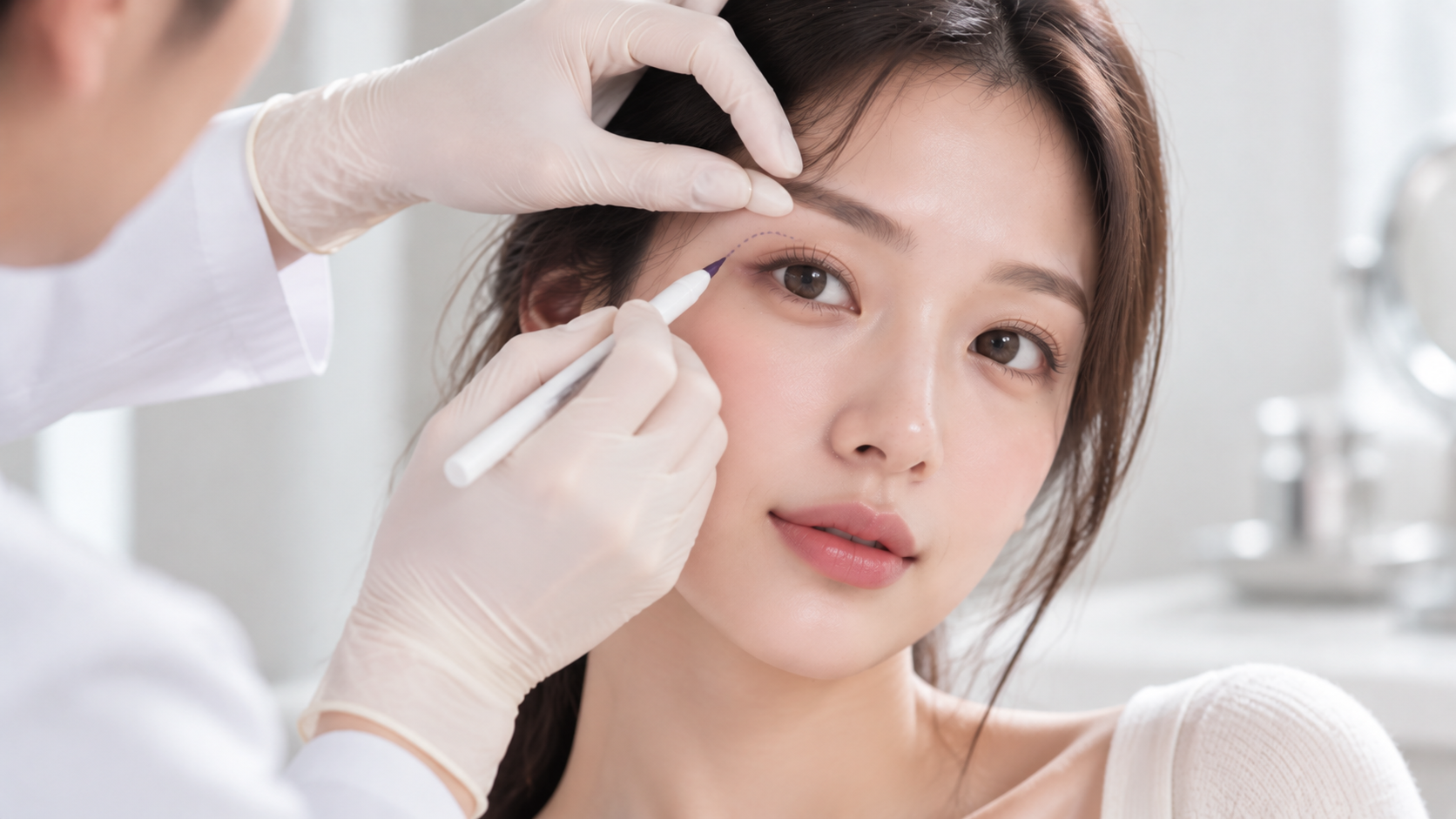
Double Eyelid Surgery
Double eyelid surgery is a procedure within eye plastic surgery designed to create or redefine the fold above the eye — the crease that separates the upper eyelid into two visible sections.
Learn More