Personalized Medical Care & Dedicated International Patient Concierge


Surgical Anti-Aging · Needs Clinic Confirmation
Fat Grafting
Fat grafting, also known as autologous fat transfer, is a technique that restores lost facial volume using a patient's own fat rather than synthetic fillers or implants.
Schedule a ConsultationWhat Is Fat Grafting in Face Lifting / Anti-Aging?

Fat grafting, also known as autologous fat transfer, is a technique that restores lost facial volume using a patient's own fat rather than synthetic fillers or implants. Facial aging often involves not only skin laxity but a gradual loss of the fat pad that once gave the face its soft, rounded, youthful contour. As that volume diminishes, the face can appear sunken, angular, or tired — even if the skin itself is otherwise healthy.
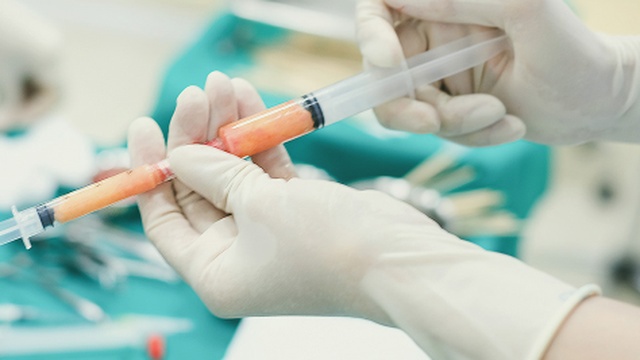
The procedure works by harvesting fat from a donor area of the body where fat is more abundant, such as the abdomen, hips, or thighs. This fat is then processed through centrifugation to separate pure, viable fat cells from blood, oil, and tissue debris. Once purified, the fat is loaded into a fine grafting syringe and reintroduced into the face using a micro-cannula, in small amounts and across multiple tissue layers.
This layered, multi-pass injection method is intended to reduce the risk of visible lumping, encourage more even integration of the transferred fat, and support a natural rather than an artificially "filled" look. Because the material is the patient's own tissue, there is no synthetic implant sitting under the skin — which is a key reason some patients prefer it over filler-based or implant-based volumizing options.
Rather than pulling or tightening the skin surface, fat grafting works from beneath, rebuilding the structural volume that gives the mid-face, temples, and other treated areas their fullness. The result, when successful, is a face that appears more balanced, dimensional, and rested — not stretched or altered in shape.
Who Needs Fat Grafting Treatment?
Fat grafting may be worth discussing with a specialist if any of the following apply to you:
You want a three-dimensional, voluminous, youthful-looking face rather than a flat or tired appearance
You'd prefer to restore facial volume without implants or the foreign-body sensation some patients associate with them
You want meaningful, visible change across several facial areas at once, using a sufficient volume of graft material
Your face has become thin or gaunt over time, making you look older than you feel
Structural features such as prominent cheekbones or a broad forehead give your face a harder, more angular impression than you'd like to soften
If one or more of these describes you, a consultation can help determine whether fat grafting — and which donor and treatment areas — is an appropriate option for your goals.
Meet the Specialists in Face Lifting / Anti-Aging
|
|
|
Dr. Sungtaek Hong | Dr. Jimin Lee | Dr. Gayoung Park |
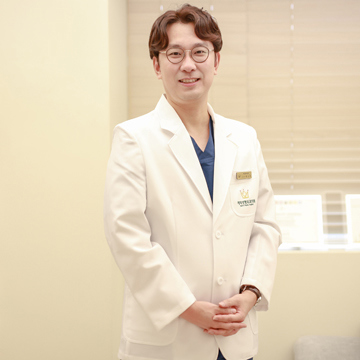
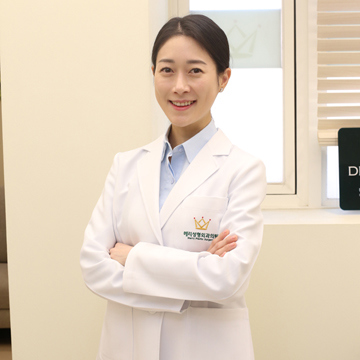
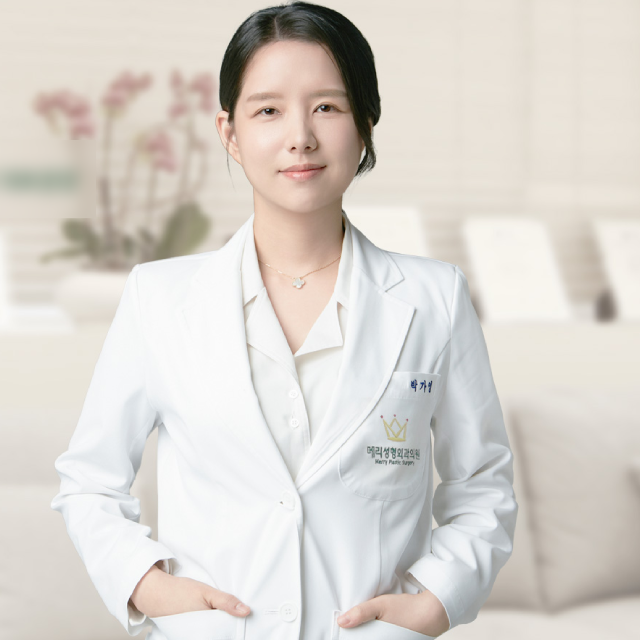
Dr. Sungtaek Hong — Representative Director
Board-certified Plastic Surgeon (Korea University Medical Center) with surgical experience across face lifting, facial contouring, rhinoplasty, and eye surgery. Dr. Hong is a member of both the facial plastic surgery research group and the fat grafting research group within the Korean Society of Plastic and Reconstructive Surgeons, directly relevant to surgical lifting and volume-restoration procedures such as the full facelift, mini facelift, forehead lift, and fat grafting.
Dr. Jimin Lee — Director
Board-certified Plastic Surgeon (Kyung Hee University Medical Center) and full member of the Korean Society of Plastic and Reconstructive Surgeons, the Korean Society for Aesthetic Plastic Surgery, and the International Society of Aesthetic Plastic Surgery, among other professional societies.
Dr. Gayoung Park — Director
Board-certified Family Medicine Specialist (Seoul National University) and full member of the Korean Society for Aesthetic Laser Medicine, relevant specifically to non-surgical laser lifting treatment.
Surgical lifting procedures, including the full facelift, mini facelift, and Full HD endoscopic forehead lift, are overseen by the clinic's plastic surgeons, while laser lifting, as a non-surgical treatment, falls within Dr. Park's area of practice. Together, these specialists share a treatment philosophy centered on matching the intensity and type of anti-aging treatment, surgical or non-surgical, to each patient's specific facial structure and stage of aging.
Treatment Areas & Expected Improvements
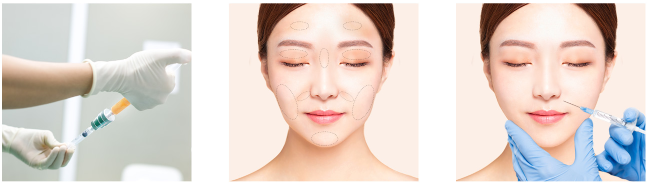
Temple: Volume loss at the temple can create a sunken, aged appearance at the upper outer face. Restoring fullness here helps smooth the transition between the forehead and cheek, softening this often-overlooked area.
Under-Eye: Hollowing beneath the eyes can make a person look fatigued regardless of actual rest. Careful, layered fat placement in this delicate zone is intended to reduce the appearance of shadowing.
Side Cheek: Loss of volume along the side of the cheek can contribute to a flatter, less contoured mid-face. Targeted grafting here supports a fuller, more three-dimensional profile.
Around the Mouth: Volume support around the mouth can soften the deep folds and hollows that tend to form in this expressive area over time.
Forehead: A flatter or sunken forehead can contribute to an overall tired or aged look. Fat grafting can be used to restore a smoother, more rounded forehead contour.
Front Cheekbone: Volume placed in front of the cheekbone can help balance a prominent or angular bone structure, softening the overall facial impression.
Nasolabial Fold: These folds deepen with age as surrounding volume diminishes. Fat grafting can help fill the hollow beside the fold, reducing its visual depth.
Chin: Subtle volume adjustment at the chin can improve overall facial balance and profile harmony.
Expected improvements may include a more three-dimensional, balanced facial contour, softened angular features, and a fuller, more rested appearance in treated areas. Individual results vary based on the amount of donor fat available, the degree of pre-existing volume loss, graft survival, and each patient's healing response — outcomes cannot be guaranteed and should be discussed individually during consultation.
Treatment Process & Timeline
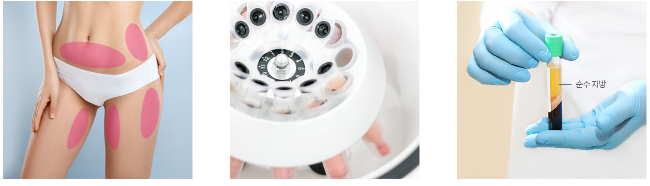
Consultation: A discussion of your facial concerns, goals, and candidacy, along with an assessment of suitable donor and recipient areas.
Diagnostic Assessment & Planning: The treatment areas are mapped and designed based on your facial structure and the degree of volume needed.
Fat Harvesting: Fat is collected from a donor area with sufficient fat stores — typically the thigh, hip/buttock, or abdomen.
Purification: The harvested fat is processed through a centrifuge to separate and isolate pure, viable fat cells from other tissue components.
Facial Injection: The purified fat is loaded into a grafting syringe and injected into the designed facial areas using a fine, dedicated facial fat-grafting cannula, distributed across multiple tissue layers to support even integration and reduce lumping.
Aftercare & Follow-Up: Patients typically do not require hospitalization. Any external sutures, if used, are generally removed after about 10 days, with 1–2 follow-up visits and an initial recovery period of about one week. Timelines can vary based on individual condition and the specific surgical approach used.
Results, Safety & Longevity
Because fat grafting uses a fine, dedicated facial cannula and a layered, multi-pass injection technique, the goal is to minimize bruising and swelling compared to less targeted injection methods, while supporting a smoother recovery. The procedure is typically performed in about one hour under sleep (sedation) anesthesia, and hospitalization is generally not required.
As the treatment uses the patient's own fat rather than a synthetic implant or filler material, the associated foreign-body sensation and related side-effect risk are significantly reduced compared to implant-based approaches. That said, as with any procedure involving fat harvesting and injection, temporary swelling, bruising, and asymmetry during the healing period are possible, and a portion of the grafted fat may not survive long-term — the degree of graft retention varies by individual and cannot be predicted with certainty.
Donor-site care also matters: the harvesting technique is designed to avoid creating visible depressions at the donor area. Patients should discuss any relevant health conditions, medications, or prior treatments with their surgeon during consultation to help assess suitability and minimize risk. Anyone experiencing unusual pain, signs of infection, or other concerning symptoms after the procedure should contact the clinic for evaluation rather than waiting for a scheduled follow-up.
Why Choose Merry Plastic Surgery for Fat Grafting?
Merry Plastic Surgery's approach to fat grafting is built around individualized planning rather than a one-size-fits-all injection protocol. Every case begins with thorough consultation and analysis, so that the treated areas, fat volume, and injection pattern are matched to each patient's degree of hollowing and facial structure — not applied as a standardized template.
The clinic uses a cannula specifically designed for facial fat grafting, distinct from general-purpose cannulas, which is intended to support more precise, even fat placement while reducing swelling and bruising. Combined with a layered, multi-pass injection technique, this approach is designed to increase the likelihood of even fat distribution and reduce post-transfer lumping.
Because the procedure relies entirely on the patient's own tissue, it is positioned as an alternative for patients who want to avoid the foreign-body sensation or implant-related concerns associated with synthetic volumizing options.
Dedicated facial fat-grafting cannula, distinct from general cannulas used elsewhere
Individualized consultation-based planning rather than standardized protocols
Layered, multi-pass injection approach designed to reduce lumping and support graft survival
Surgical oversight informed by Fat Grafting Study Group membership (Dr. Sungtaek Hong)
Real Patient Experiences
Patient A — Temple and Cheek Volume
A patient in her late 30s felt her face had started to look flatter and more tired over the past few years, particularly at the temples and cheeks. After fat grafting to these areas, she noted a softer, more rested facial impression during her follow-up visits.
Suggested image: Before-and-after profile comparison, neutral studio lighting, temple and cheek area highlighted.
Patient B — Under-Eye Hollowing
A patient in his 40s was concerned about a persistently tired appearance caused by hollowing beneath the eyes. Following fat grafting to the under-eye area, he reported a reduction in the shadowing effect that had contributed to the tired look.
Suggested image: Close-up under-eye area, before-and-after, front-facing angle.
Patient C — Angular Cheekbone Softening
A patient sought a softer overall facial impression due to a naturally prominent cheekbone structure. Fat grafting to the front-cheekbone area was used to help balance the contour, contributing to a gentler facial line.
Suggested image: Three-quarter facial angle, before-and-after, cheekbone region highlighted.
Individual results vary. These examples reflect general outcome patterns and are not a guarantee of specific results for any individual patient.
Ready to Restore Natural, Three-Dimensional Facial Volume?
If you've noticed your face looking flatter, more angular, or older than you feel, fat grafting at Merry Plastic Surgery may be worth exploring as part of a personalized consultation. Using your own purified fat, a dedicated facial cannula, and a layered injection technique designed to support even integration and minimize downtime, our team will assess your facial structure, donor fat availability, and aesthetic goals to determine whether this approach is right for you — with realistic expectations discussed every step of the way.
Schedule your consultation with Merry Plastic Surgery today to discuss your candidacy for fat grafting and receive a personalized treatment plan.
For questions before booking, you may also reach out through our patient inquiry line for general guidance on the procedure, recovery expectations, and next steps. Every consultation begins with a thorough, honest assessment — because a natural, balanced result starts with the right plan for your face.
Other Services
Explore additional treatments offered by our specialists.

Eye Revision Surgery
Eye revision surgery is a corrective procedure for patients who have already undergone double eyelid surgery but are not satisfied with the outcome, or who have developed complications such as an irregular crease, asymmetry, or scarring.
Learn More

Breast Lift
A breast lift, known clinically as mastopexy, is a surgical procedure designed to correct breast sagging by repositioning breast tissue, removing excess skin where necessary, and restoring the nipple-areola complex to a more natural position on the breast.
Learn More
Double Eyelid Surgery
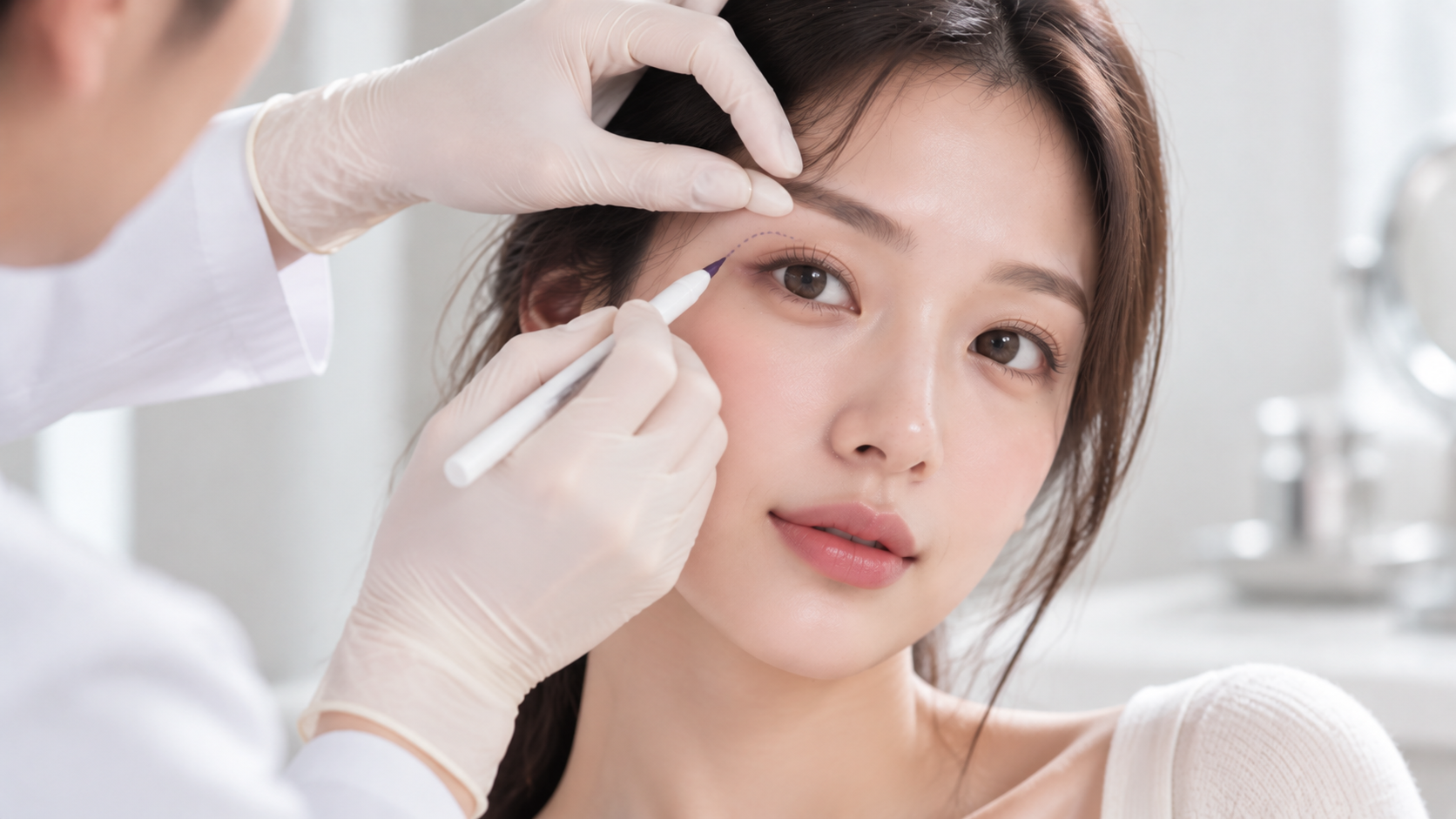
Double eyelid surgery is a procedure within eye plastic surgery designed to create or redefine the fold above the eye — the crease that separates the upper eyelid into two visible sections.
Learn More