Personalized Medical Care & Dedicated International Patient Concierge


Surgical Anti-Aging · Needs Clinic Confirmation
Full Facelift
A full facelift is a surgical lifting procedure that pulls up and firmly secures both the SMAS layer and the skin in areas where sagging has occurred.
Schedule a ConsultationWhat is a full facelift in facial plastic surgery?

A full facelift is a surgical lifting procedure that pulls up and firmly secures both the SMAS layer and the skin in areas where sagging has occurred. Rather than lifting the skin surface alone, the procedure precisely dissects down to the SMAS — the fibrous fascia layer that is the underlying cause of facial sagging — so that the lift addresses the structural source of the problem rather than masking it. Because facial nerves run beneath this layer, this step requires detailed anatomical knowledge and considerable surgical experience.
Addressing the SMAS layer directly is what allows a full facelift to correct cheek sagging, nasolabial folds, and mouth-area wrinkles together with neck wrinkles in one procedure, rather than treating each area separately. This is also what distinguishes it from non-surgical treatments such as thread lifting or laser lifting, which work at the skin level and may not fully resolve sagging once it has become more advanced — a full facelift is often considered specifically by patients who have already tried these options without the result they were looking for.
At Merry Plastic Surgery, the procedure takes approximately 1 to 2 hours and is performed under sleep anesthesia (IV sedation), with incisions placed along the front and back of the ear according to the surgical design.
Full facelift vs. mini-facelift
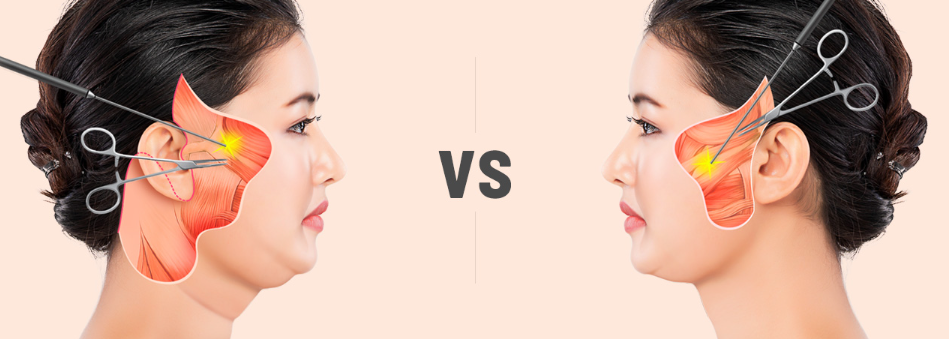
Merry Plastic Surgery also distinguishes between a full facelift and a mini-facelift, since the two are suited to different patients:
Incision site: A full facelift uses an incision extending from the front of the ear to behind the ear; a mini-facelift uses a more minimal incision around the front of the ear and temple area.
Typical age range: A full facelift is generally considered by patients in their 50s and above with more pronounced wrinkles and sagging; a mini-facelift is more often suited to patients in their 30s to 40s with comparatively earlier signs of aging.
Lifting effect: A full facelift addresses overall wrinkling across the midface, lower face, and neck; a mini-facelift targets sagging in specific areas, such as nasolabial folds, cheek sagging, or mouth-area wrinkles.
Recovery period: A full facelift generally involves a recovery period of about 2 weeks; a mini-facelift generally involves about 1 week, with less bruising and swelling.
Which option is more appropriate depends on your individual degree of sagging, skin condition, and goals, and is determined during consultation.
Who needs full facelift treatment?
A full facelift is generally considered by patients whose facial aging has become more structural and visible. You may be a candidate if:
Your skin elasticity has decreased and skin has become visibly loose
Your jaw has begun to sag, giving the appearance of a double chin
You have developed sagging as a result of previous contour surgery
Your neck has begun to sag in a way that makes you look older
You have tried thread lifting, laser lifting, or similar procedures without seeing the improvement you wanted
You are seeking correction across multiple areas — cheeks, nasolabial folds, mouth area, and neck — in a single procedure
You are in generally good health and have realistic expectations about surgery and recovery
Patients with significant underlying health conditions, active skin infections, or unrealistic expectations about outcomes may not be appropriate candidates until these factors are addressed. This is assessed individually during consultation.
Meet the specialists in facial plastic surgery
|
|
|
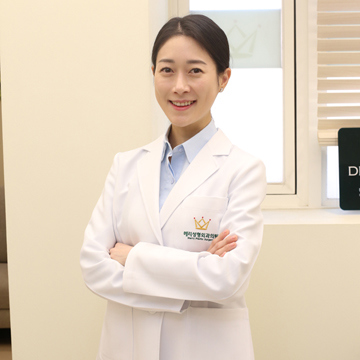
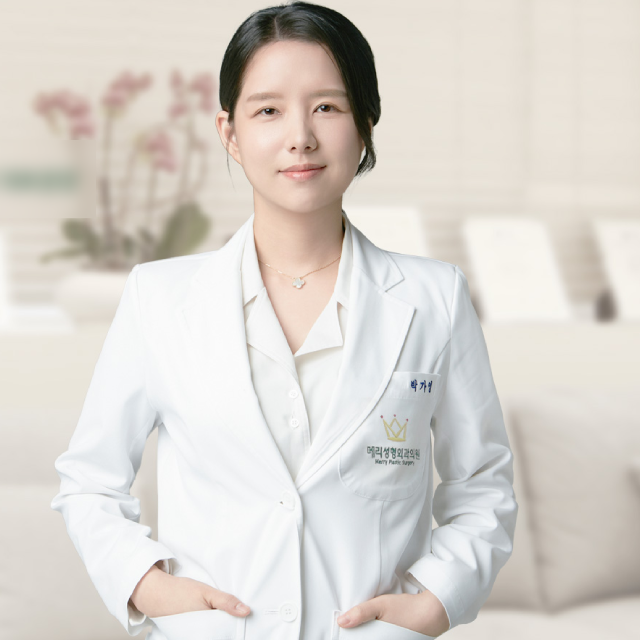
Dr. Sungtaek Hong | Dr. Jimin Lee | Dr. Gayoung Park |
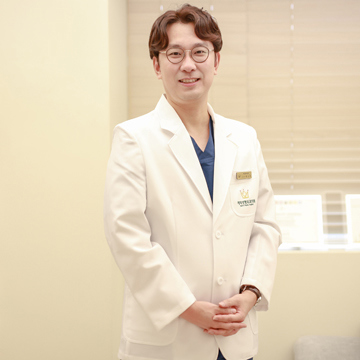
Dr. Sungtaek Hong — Representative Director
Board-certified Plastic Surgeon (Korea University Medical Center) with surgical experience across face lifting, facial contouring, rhinoplasty, and eye surgery. Dr. Hong is a member of both the facial plastic surgery research group and the fat grafting research group within the Korean Society of Plastic and Reconstructive Surgeons, directly relevant to surgical lifting and volume-restoration procedures such as the full facelift, mini facelift, forehead lift, and fat grafting.
Dr. Jimin Lee — Director
Board-certified Plastic Surgeon (Kyung Hee University Medical Center) and full member of the Korean Society of Plastic and Reconstructive Surgeons, the Korean Society for Aesthetic Plastic Surgery, and the International Society of Aesthetic Plastic Surgery, among other professional societies.
Dr. Gayoung Park — Director
Board-certified Family Medicine Specialist (Seoul National University) and full member of the Korean Society for Aesthetic Laser Medicine, relevant specifically to non-surgical laser lifting treatment.
Surgical lifting procedures, including the full facelift, mini facelift, and Full HD endoscopic forehead lift, are overseen by the clinic's plastic surgeons, while laser lifting, as a non-surgical treatment, falls within Dr. Park's area of practice. Together, these specialists share a treatment philosophy centered on matching the intensity and type of anti-aging treatment, surgical or non-surgical, to each patient's specific facial structure and stage of aging.
Treatment areas & expected improvements
Cheeks and midface: Sagging cheek tissue is repositioned along with the SMAS layer, helping restore a firmer contour to an area that often shows some of the earliest visible signs of facial aging.
Nasolabial folds and mouth area: Because the lift addresses the SMAS layer rather than the skin surface alone, deepened nasolabial folds and mouth-area wrinkles can be improved as part of the same procedure, rather than requiring separate treatment.
Jawline and lower face: Sagging along the jawline that presents as a double chin is corrected by lifting and securing the SMAS layer of the lower face, together with removal of excess, wrinkled skin.
Neck: Neck sagging and wrinkling that contribute to an aged appearance are addressed within the same surgery, since the SMAS layer and skin of the neck are lifted and fixed alongside the midface and lower face.
Expected improvements: Patients may notice reduced sagging and softened wrinkling across the cheeks, nasolabial folds, jawline, and neck following recovery, with an effect described by the clinic as long-lasting due to the SMAS-layer correction involved. The extent of improvement depends on individual skin condition, degree of sagging, and age, and results are not identical between patients.
Treatment process & timeline
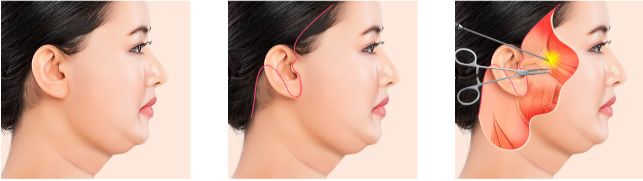
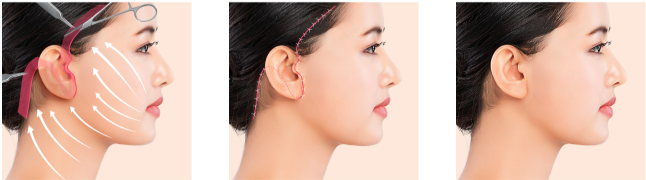
Consultation — Your degree of sagging, skin condition, and goals are assessed to determine whether a full facelift, a mini-facelift, or another approach is most appropriate.
Diagnostic assessment and surgical design — The incision area is designed according to the extent of your wrinkling and sagging, typically running along the front and back of the ear.
Preparation — Pre-operative health screening is completed, coordinated with the family medicine team where relevant.
The procedure — Under sleep anesthesia (IV sedation), the surgical team dissects the skin and SMAS layer, releases the retaining ligaments, lifts and secures the SMAS layer of the midface, lower face, and neck, removes excess wrinkled skin, and carefully sutures the incision to minimize swelling and maximize the lifting effect. Surgery generally takes about 1 to 2 hours, and hospitalization is not required.
Immediate aftercare — Dressing and initial recovery guidance are provided before discharge on the same day.
Follow-up timeline — Sutures are typically removed after 7 to 10 days, with 1 to 2 follow-up visits scheduled to monitor healing. General recovery is estimated at about 1 to 2 weeks, though this may vary depending on individual condition and surgical approach.
Results, safety & longevity
By lifting and securing the SMAS layer along with the skin, a full facelift is designed to address the underlying structural cause of facial sagging, which the clinic describes as contributing to a longer-lasting, semi-permanent lifting effect compared with skin-level treatments alone. That said, no surgical procedure stops the natural aging process, and results vary depending on individual skin condition, degree of sagging, and other personal factors.
Because the facial nerve lies just beneath the SMAS layer, the safety of this dissection depends on the surgeon's anatomical knowledge and experience — a key reason the procedure is performed by board-certified plastic surgeons. Incisions are placed and sutured with attention to minimizing visible scarring. As with any surgical procedure, risks can include swelling, bruising, scarring, infection, and asymmetry, which will be discussed in detail during your consultation. Patients are encouraged to disclose their full medical history and ask questions about risk factors specific to their case.
No permanent or guaranteed outcome is implied by this procedure. If you experience unexpected pain, signs of infection, or other concerning symptoms after surgery, you should seek medical consultation promptly.
Why choose Merry Plastic Surgery for a full facelift?
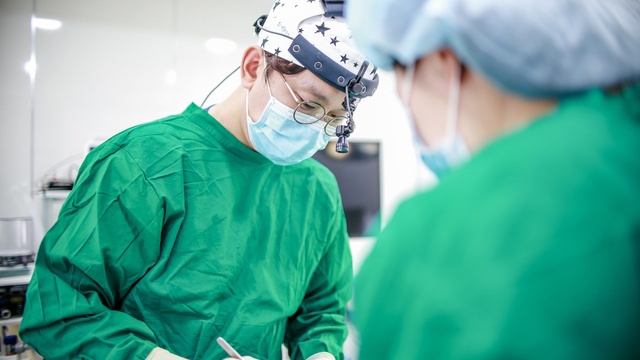
Merry Plastic Surgery brings together board-certified surgical expertise in SMAS-layer facelift technique with a family medicine specialist who supports whole-person health management before and after surgery. This structure allows facelift planning to be handled with anatomical precision around the facial nerve while also accounting for each patient's broader health profile — not as two separate processes, but as one coordinated plan.
Dr. Sungtaek Hong's graduate-level plastic surgery training, international clinical experience at IWK Health Centre in Canada, and ongoing involvement in multiple facial and reconstructive surgery study groups provide the depth of anatomical expertise that SMAS-layer dissection requires. Dr. Jimin Lee's ISAPS membership and 2023 award recognition from the Korean Society of Plastic and Reconstructive Surgeons reflect a practice referenced against international standards. Because the procedure does not require hospitalization and follow-up is limited to 1 to 2 visits after suture removal at 7 to 10 days, it is also structured in a way that can suit patients coordinating treatment around a limited travel window.
Board-certified surgeons trained in precise SMAS-layer dissection and facial-nerve-adjacent anatomy
A single-procedure approach addressing cheeks, nasolabial folds, jawline, and neck together
Sleep anesthesia with no hospitalization required, and a defined follow-up schedule
Integrated family medicine support for pre-operative screening and recovery management
Real patient examples
Patient A — Jawline and double-chin concerns
A woman in her fifties sought correction for jaw sagging that had begun to look like a double chin. Following a full facelift addressing the SMAS layer of the lower face, she reported a firmer jaw-to-neck contour at her follow-up visits, consistent with the goals discussed pre-operatively.
Suggested image: before-and-after profile view focusing on the jawline, used with patient consent.
Patient B — Prior thread lifting without lasting results
A patient in her early sixties had previously undergone thread lifting but felt the effect had not lasted. After a full SMAS facelift, she noted a more structural, longer-lasting improvement in cheek and nasolabial fold sagging during recovery follow-ups.
Suggested image: three-quarter facial view showing the nasolabial fold and cheek area before and after recovery.
Patient C — Combined facial and neck sagging
A patient with sagging extending from the midface into the neck underwent a full facelift addressing all three areas in one procedure. At follow-up after suture removal, she described visibly reduced neck sagging alongside her improved facial contour.
Suggested image: side profile comparison highlighting the neck and jawline transition.
These examples are illustrative and based on generally described outcome patterns for this procedure. Individual results vary, and no specific outcome is guaranteed.
Ready to explore whether a full facelift is right for you?
If reduced skin elasticity, jaw or neck sagging, or wrinkles that thread lifting or laser treatments haven't resolved have left you looking for a more comprehensive solution, a consultation with the surgical team at Merry Plastic Surgery can help clarify whether a full facelift — or a more limited mini-facelift — is the better fit for your degree of sagging, skin condition, and goals. During your consultation, Dr. Sungtaek Hong, Dr. Jimin Lee, or another member of the surgical team will walk you through the SMAS-layer technique, the expected 1 to 2 hour procedure under sleep anesthesia, the follow-up schedule, and realistic recovery expectations, so you can make an informed decision without pressure or exaggerated promises.
Contact Merry Plastic Surgery today to schedule your personal consultation and take the first step toward a firmer, more youthful facial contour.
For additional questions before booking, our team is available to discuss general procedure information and help you prepare for your visit.
Other Services
Explore additional treatments offered by our specialists.

Eye Revision Surgery
Eye revision surgery is a corrective procedure for patients who have already undergone double eyelid surgery but are not satisfied with the outcome, or who have developed complications such as an irregular crease, asymmetry, or scarring.
Learn More

Breast Lift
A breast lift, known clinically as mastopexy, is a surgical procedure designed to correct breast sagging by repositioning breast tissue, removing excess skin where necessary, and restoring the nipple-areola complex to a more natural position on the breast.
Learn More
Double Eyelid Surgery
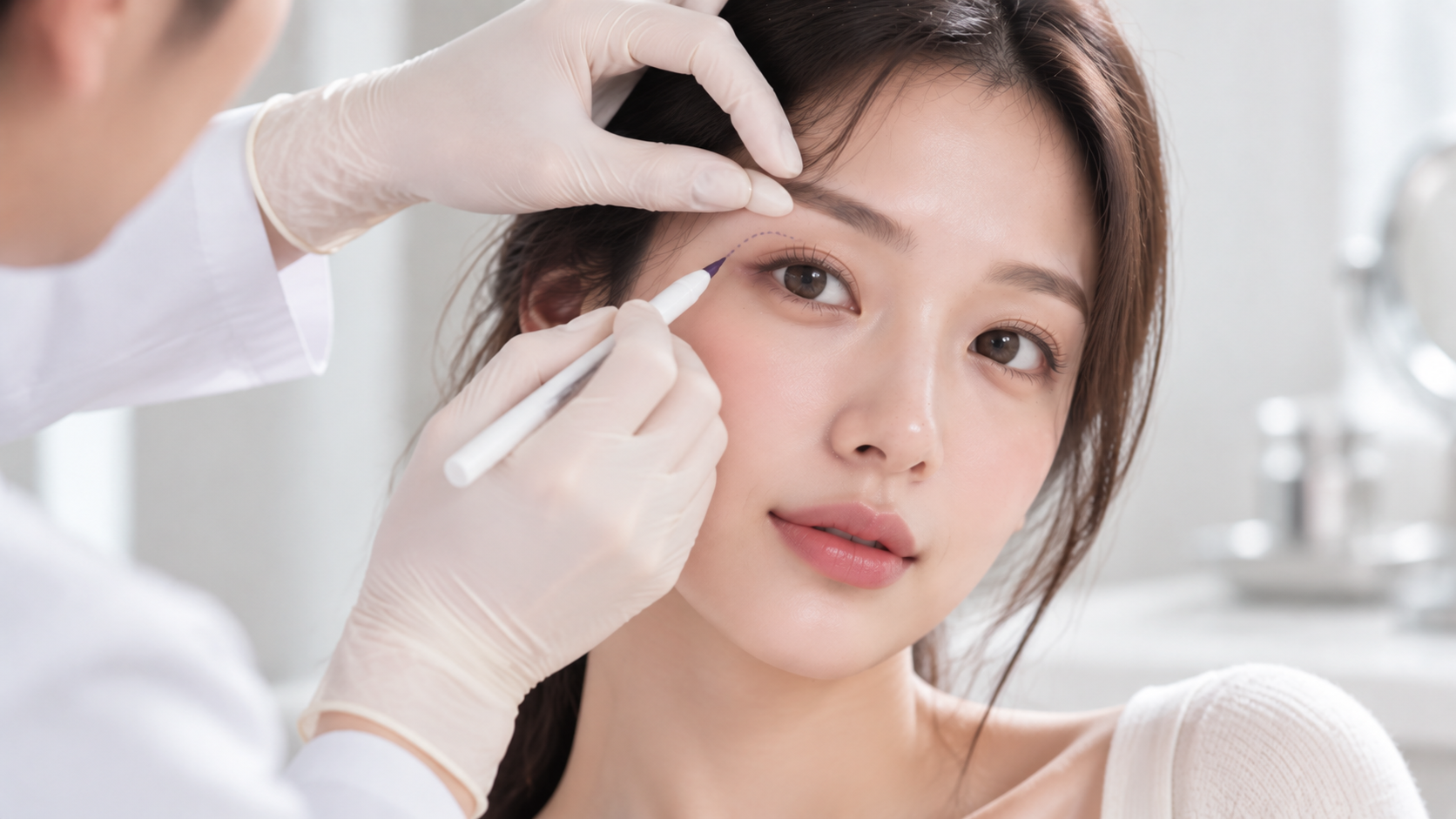
Double eyelid surgery is a procedure within eye plastic surgery designed to create or redefine the fold above the eye — the crease that separates the upper eyelid into two visible sections.
Learn More