Personalized Medical Care & Dedicated International Patient Concierge


Surgical Anti-Aging · Needs Clinic Confirmation
Mini Facelift
A Mini Facelift is a surgical lifting procedure that targets the same structural layer as a full facelift — the SMAS — but through a smaller, more localized incision and treatment scope.
Schedule a ConsultationWhat Is a Mini Facelift in Face Lifting / Anti-Aging?

A Mini Facelift is a surgical lifting procedure that targets the same structural layer as a full facelift — the SMAS — but through a smaller, more localized incision and treatment scope. Rather than repositioning the entire mid-face, lower face, and neck, a Mini Facelift focuses on specific areas where early sagging has begun to show, most commonly the nasolabial folds, the cheeks, and the corners of the mouth.
The technique works by dissecting the skin and the underlying SMAS layer together, rather than treating the skin surface alone. The SMAS is the thin fibrous fascia that sits between the subcutaneous fat and the muscle layer, carrying the facial expression muscles, connective tissue, and blood vessels, with the facial nerve positioned just beneath it. Because of this anatomical proximity, working at this depth requires precise anatomical knowledge and surgical experience.
During the procedure, the surgeon designs and makes an incision around the front of the ear and the temporal area — a meaningfully smaller incision than the ear-to-ear incision used in a full facelift. The retaining ligaments are released, the SMAS layer in the targeted zone is lifted and fixed in its corrected position, and any excess sagging skin is trimmed before the incision is closed with careful, layered suturing.
Because the lift addresses the SMAS layer directly rather than the skin surface alone, the correction targets the underlying cause of localized sagging, rather than temporarily smoothing the skin above it. This is a surgical procedure and is a distinct treatment category from non-surgical, energy-based skin-tightening devices; it is not a substitute for those treatments, nor are those treatments a substitute for it.
Who Needs Mini Facelift Treatment?
A Mini Facelift is generally considered by patients who are noticing the early signs of facial sagging but do not yet require the broader correction of a full facelift. You may be a candidate if you recognize any of the following:
You are in your 30s or 40s and are starting to notice sagging concentrated around specific areas of the face rather than across the entire face and neck.
Your nasolabial folds (the creases running from the nose to the corners of the mouth) have become noticeably deeper or more pronounced.
You are seeing sagging or drooping specifically in the cheek area.
The corners of your mouth appear to be turning downward or sagging.
Your skin's elasticity has started to decline, but the sagging is still localized rather than extending through the mid-face, lower face, and neck.
You have tried thread lifts, laser lifting, or similar non-surgical procedures and did not see the degree of improvement you were hoping for.
You prefer a smaller incision and a shorter recovery period over the more extensive correction (and longer downtime) of a full facelift.
You want a procedure that addresses the structural cause of early sagging — the SMAS layer — rather than a surface-level treatment alone.
A consultation with a Merry Plastic Surgery specialist is the best way to confirm whether your degree and pattern of sagging is better suited to a Mini Facelift or a more extensive procedure.
Meet the Specialists in Face Lifting / Anti-Aging
|
|
|
Dr. Sungtaek Hong | Dr. Jimin Lee | Dr. Gayoung Park |
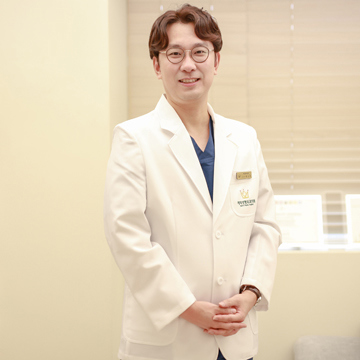

Dr. Sungtaek Hong — Representative Director
Board-certified Plastic Surgeon (Korea University Medical Center) with surgical experience across face lifting, facial contouring, rhinoplasty, and eye surgery. Dr. Hong is a member of both the facial plastic surgery research group and the fat grafting research group within the Korean Society of Plastic and Reconstructive Surgeons, directly relevant to surgical lifting and volume-restoration procedures such as the full facelift, mini facelift, forehead lift, and fat grafting.
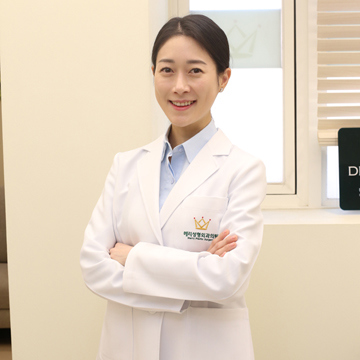
Dr. Jimin Lee — Director
Board-certified Plastic Surgeon (Kyung Hee University Medical Center) and full member of the Korean Society of Plastic and Reconstructive Surgeons, the Korean Society for Aesthetic Plastic Surgery, and the International Society of Aesthetic Plastic Surgery, among other professional societies.
Dr. Gayoung Park — Director
Board-certified Family Medicine Specialist (Seoul National University) and full member of the Korean Society for Aesthetic Laser Medicine, relevant specifically to non-surgical laser lifting treatment.
Surgical lifting procedures, including the full facelift, mini facelift, and Full HD endoscopic forehead lift, are overseen by the clinic's plastic surgeons, while laser lifting, as a non-surgical treatment, falls within Dr. Park's area of practice. Together, these specialists share a treatment philosophy centered on matching the intensity and type of anti-aging treatment, surgical or non-surgical, to each patient's specific facial structure and stage of aging.
Treatment Areas & Expected Improvements
Nasolabial Fold Area: The nasolabial folds — the creases that run from the sides of the nose down to the corners of the mouth — deepen as the SMAS layer and surrounding tissue lose their supportive tension over time. By lifting and fixing the SMAS in this region, the Mini Facelift works to soften the depth of these folds from the structural layer rather than filling or resurfacing the skin above them.
Cheek Area: Sagging cheek tissue is one of the earliest visible signs of facial aging for many patients in their 30s and 40s. The Mini Facelift's localized SMAS dissection and fixation in the cheek zone is designed to reposition sagging tissue and restore a firmer contour in this specific area.
Mouth Corner Area: Downturned or sagging corners of the mouth can make an otherwise youthful face appear tired or displeased. Targeted SMAS lifting around this area works to elevate and stabilize the tissue supporting the mouth corners.
Expected Improvements
Reduced depth and prominence of nasolabial folds
Firmer, more lifted cheek contour
Improved position of the mouth corners
A more refreshed, less tired facial appearance in the treated zones
Results vary from patient to patient depending on individual anatomy, skin quality, and the degree of sagging present before treatment. A consultation is necessary to set realistic, individualized expectations.
Treatment Process & Timeline
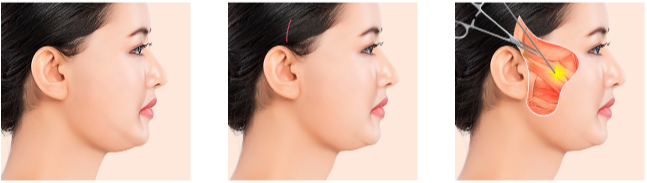
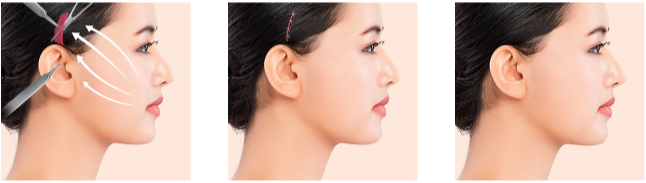
Consultation — A specialist evaluates your facial anatomy, the location and degree of sagging, and your goals to determine whether a Mini Facelift is appropriate or whether a different approach would serve you better.
Diagnostic Assessment — Skin condition, tissue laxity, and the specific areas of concern (nasolabial folds, cheeks, mouth corners) are assessed to plan the precise incision and treatment design.
Preparation — The incision is planned around the front of the ear and the temporal area, sized to the minimal scope required for your specific areas of concern, and sedation anesthesia is administered.
Procedure — The surgeon dissects the skin and SMAS layer, releases the retaining ligaments, lifts and fixes the SMAS in the targeted zones, trims excess sagging skin, and closes the incision with meticulous, layered suturing to support both healing and lifting outcome. Surgery time and specific steps may vary depending on the extent of correction needed.
Immediate Aftercare — The procedure is performed without required hospitalization, allowing most patients to return home the same day.
Follow-Up Timeline — Stitches are typically removed around 7–10 days after surgery, with roughly 1–2 follow-up visits to monitor healing. Reported recovery time for the Mini Facelift is approximately one week, with bruising and swelling generally minimized relative to a full facelift due to the smaller treatment scope. Individual healing time can vary based on your condition and the specifics of your procedure.
Results, Safety & Longevity
The Mini Facelift is designed to produce results that are described as long-lasting and semi-permanent, since the correction is made at the structural SMAS layer rather than the skin surface — a layer that does not simply relax back to its prior state the way a surface-only treatment might. That said, the natural aging process continues after any facelift procedure, and no lifting procedure can permanently halt further change to the face over time.
Because the procedure works at the SMAS layer, which sits close to the facial nerve, it requires a surgeon with strong anatomical knowledge and hands-on experience with this specific dissection. Sedation anesthesia is used, and the procedure does not require hospitalization. As with any surgical procedure, temporary bruising and swelling should be expected during the initial recovery period, and individual healing timelines can vary. Any signs of unexpected pain, asymmetry, numbness, or prolonged swelling beyond the expected recovery window should be discussed with your treating specialist promptly.
A thorough consultation — including a review of your medical history, skin condition, and expectations — is an essential step before proceeding, and helps your surgical team plan an incision and correction scope suited specifically to your face.
Why Choose Merry Plastic Surgery for a Mini Facelift?
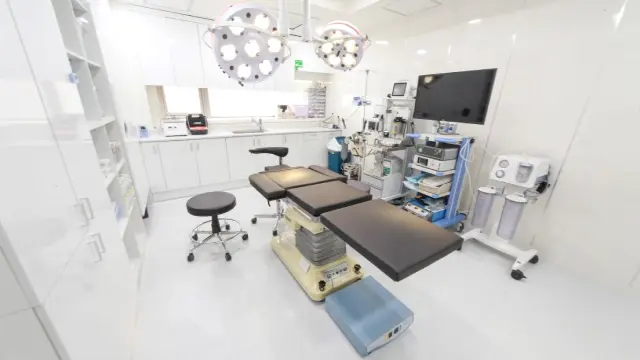
Correcting early facial sagging well requires more than a smaller incision — it requires surgeons who understand exactly where the SMAS layer sits, how it interacts with the facial nerve, and how to fix it precisely enough to produce a natural, unforced result. At Merry Plastic Surgery, Mini Facelift procedures are performed by plastic surgery specialists whose training spans Korean University Medical Center, international clinical experience, and active membership in specialized facial and minimally invasive plastic surgery study groups.
The clinic's approach treats each patient's degree and pattern of sagging as individual rather than applying a single standardized correction. Because the Mini Facelift is intentionally scoped to the areas that need it — commonly the nasolabial folds, cheeks, and mouth corners — the surgical plan is built around your specific anatomy rather than a one-size-fits-all incision pattern.
Specialist-led surgical planning — procedures are led by credentialed plastic surgery specialists with facial-lifting-focused training and society memberships
SMAS-layer precision — correction targets the structural cause of sagging, not just the visible skin surface
Minimal-incision design — incision and treatment scope are limited to the specific areas requiring correction, supporting a shorter recovery than a full facelift
Individualized care team — combined plastic surgery and complementary aesthetic medicine expertise supports a well-rounded evaluation of your skin and treatment goals
Patients traveling for treatment are welcome to consult with the team to plan their procedure and follow-up schedule around their travel timeline.
Real Patient Experiences
Case A — Early 30s, Nasolabial Fold Concern
This patient sought a solution after noticing her nasolabial folds becoming more defined in her early 30s, despite an otherwise youthful face. Following a Mini Facelift focused on the nasolabial and cheek area, she reported a softer fold line and a more rested appearance. Suggested image: side-profile before-and-after comparison focused on the nasolabial fold area.
Case B — Late 30s, Cheek Sagging After Non-Surgical Treatments
Having previously tried thread lifting without the result she wanted, this patient consulted Merry Plastic Surgery about a more structural option. A Mini Facelift targeting cheek sagging was recommended, and she noted a firmer, more lifted cheek contour during her follow-up visits. Suggested image: three-quarter angle before-and-after comparison highlighting cheek contour.
Case C — Early 40s, Mouth Corner Drooping
This patient was primarily concerned with the downward turn of her mouth corners, which she felt made her look perpetually tired. A Mini Facelift addressing the SMAS layer around the mouth corner area was performed, and she reported a more naturally upturned, refreshed expression at follow-up. Suggested image: close-up before-and-after comparison of the lower face and mouth corner area.
Individual results vary based on anatomy, skin condition, and the extent of correction needed; these examples describe typical, non-guaranteed outcomes.
Ready to Address Early Sagging Before It Progresses?
If you've noticed deepening nasolabial folds, sagging cheeks, or drooping mouth corners — and you're looking for a surgical option that corrects the underlying SMAS layer without the extent of a full facelift — a consultation with Merry Plastic Surgery's plastic surgery specialists is the right next step. Our team will assess your facial anatomy, discuss whether a Mini Facelift or an alternative approach best fits your goals, and walk you through what to expect at every stage, from your initial consultation through your follow-up visits and recovery.
[ Schedule Your Consultation ]
Have questions first? Reach out to our team directly to speak with a specialist before booking. We're here to give you clear, honest guidance — including whether a Mini Facelift is or isn't the right fit for your face.
Other Services
Explore additional treatments offered by our specialists.

Eye Revision Surgery
Eye revision surgery is a corrective procedure for patients who have already undergone double eyelid surgery but are not satisfied with the outcome, or who have developed complications such as an irregular crease, asymmetry, or scarring.
Learn More

Breast Lift
A breast lift, known clinically as mastopexy, is a surgical procedure designed to correct breast sagging by repositioning breast tissue, removing excess skin where necessary, and restoring the nipple-areola complex to a more natural position on the breast.
Learn More
Double Eyelid Surgery
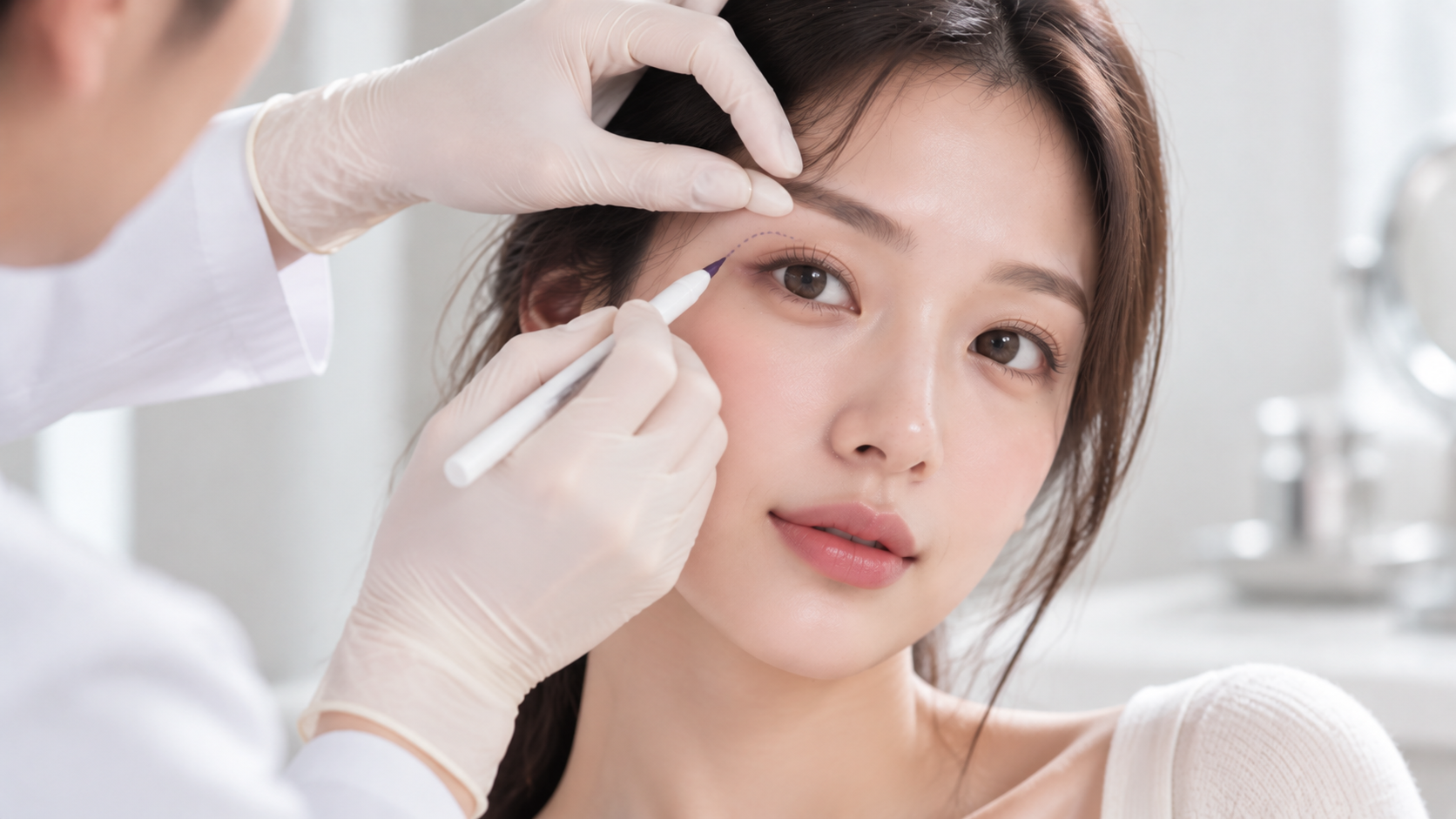
Double eyelid surgery is a procedure within eye plastic surgery designed to create or redefine the fold above the eye — the crease that separates the upper eyelid into two visible sections.
Learn More