Personalized Medical Care & Dedicated International Patient Concierge


Specialty Overview
Rhinoplasty
Rhinoplasty is a surgical procedure within plastic surgery that reshapes or restructures the nose to address aesthetic concerns, functional breathing issues, or both at the same time.
Schedule a ConsultationWhat Does Rhinoplasty Mean in Plastic Surgery?

Rhinoplasty is a surgical procedure within plastic surgery that reshapes or restructures the nose to address aesthetic concerns, functional breathing issues, or both at the same time. It is one of the more structurally complex procedures in facial plastic surgery because the nose serves both a visible cosmetic role and a functional role in breathing, meaning surgical decisions in one area can directly affect the other.
At Merry Plastic Surgery, rhinoplasty is performed using surgical techniques that may include autologous rib cartilage grafting and implant-free methods, allowing the surgical plan to be tailored to each patient's nasal anatomy rather than relying on a single standardized approach. Cartilage-based grafting techniques, in particular, are used to build or reinforce nasal structure using the patient's own tissue rather than synthetic material, which is a meaningfully different approach from procedures that rely solely on implants.
Because the procedure can be adapted to address structural, functional, and aesthetic goals within one surgical plan, it differs from options that focus on only one of these concerns in isolation. This integrated approach is intended to support both improved nasal function and a natural-looking result as part of the same treatment plan, rather than treating cosmetic refinement and breathing correction as two separate, unrelated procedures.
Advanced Rhinoplasty in Plastic Surgery – Functional Rhinoplasty for Expert, Patient-Focused Care
Many patients considering rhinoplasty are managing more than one concern at once — a nasal shape they are unhappy with, a breathing difficulty that affects daily comfort and sleep, or the aftermath of a previous nose surgery that did not fully resolve their original concerns. Some patients have lived with nasal airway restriction for years without realizing it can be addressed at the same time as an aesthetic revision. Others arrive after a prior procedure left them with a nose that looks different than expected, or that changed their breathing in ways they did not anticipate. These overlapping issues can make patients unsure whether a single procedure can realistically address everything they are hoping to improve, and understandably hesitant about undergoing surgery again.
Patients do not need to navigate these concerns alone or choose between function and appearance. At Merry Plastic Surgery, the surgical approach is built specifically around addressing functional and aesthetic nasal concerns within a coordinated treatment plan, so that patients are guided toward a solution designed for their specific nasal structure and goals. Consultations are structured to give patients a clear understanding of what is anatomically involved, what a realistic surgical plan looks like, and what the recovery process will require, with attention to comfort, safety, and a natural-looking outcome throughout the process.
Specialty Services & Treatments for Rhinoplasty and Main Conditions in Plastic Surgery

Merry Plastic Surgery offers the following rhinoplasty services, each designed to address specific structural and aesthetic nasal concerns:
Merry's Signature Rhinoplasty – A rhinoplasty approach developed by the clinic's surgical team to address individualized nasal concerns, combining structural assessment with aesthetic planning specific to each patient
Rhinoplasty by Type – Surgical planning organized around specific nasal shape categories, allowing the surgical approach to be matched to a patient's particular nasal characteristics rather than applying a generic technique
Autologous Rib Cartilage Rhinoplasty – Rhinoplasty using the patient's own rib cartilage as a structural grafting material, providing a biological alternative to synthetic implants for patients who need additional structural support
Men's Rhinoplasty – Rhinoplasty planned with attention to nasal proportions, skin thickness, and facial characteristics specific to male patients, where aesthetic goals often differ from those of female patients
Implant-Free Rhinoplasty – A rhinoplasty technique that does not rely on synthetic implant materials for structural support, instead using the patient's own tissue where structural reinforcement is needed
Functional Rhinoplasty – Rhinoplasty focused on correcting nasal structures that affect breathing function, such as airway irregularities, performed alongside aesthetic considerations rather than as a purely cosmetic procedure
Merry Plastic Surgery is positioned to support patients across this full range of rhinoplasty needs because its surgical planning process considers structural, functional, and aesthetic factors together rather than treating them as separate procedures. This allows a patient presenting with, for example, both a breathing concern and an aesthetic concern to be evaluated and treated within a single, coordinated surgical plan.
Why Choose Merry Plastic Surgery for Rhinoplasty & Key Procedures in Plastic Surgery

Patients evaluating rhinoplasty options are often looking for a clinic that can address their specific concerns with a considered, individualized surgical plan rather than a standardized package. Merry Plastic Surgery's approach to rhinoplasty is shaped by the following strengths:
Specialized Focus on Functional Rhinoplasty: The clinic's rhinoplasty program is built around functional correction combined with aesthetic improvement, rather than aesthetic changes alone, which is particularly relevant for patients with both breathing and appearance concerns
Autologous Cartilage Technique Availability: Patients seeking implant-free structural support have access to autologous rib cartilage grafting as part of their surgical options, using their own tissue rather than synthetic materials
Individualized Surgical Planning: Treatment plans are developed according to each patient's nasal anatomy and stated goals, rather than a standardized technique applied uniformly across all patients
Experienced Surgical Leadership: The clinic's representative surgeon has surgical experience across rhinoplasty, revision rhinoplasty, and related facial procedures, with particular understanding of contracted nose revision cases
Comprehensive Nasal Concern Coverage: From first-time aesthetic rhinoplasty to functional nasal correction, patients can address a range of nasal concerns within one clinic without needing to seek separate specialists
Structured Consultation-to-Recovery Process: Care is organized to carry patients through consultation, surgical planning, the procedure itself, and follow-up in a coordinated sequence
Patients choosing Merry Plastic Surgery for rhinoplasty are choosing a clinic where functional nasal health and natural aesthetic outcomes are treated as connected goals within a single, carefully planned surgical process, supported by a surgical team with specific experience across multiple rhinoplasty techniques.
Meet the Specialists in Rhinoplasty

Dr. Sungtaek Hong
Board-certified Plastic Surgeon
Dr. Sungtaek Hong — Representative Director
Board-certified Plastic Surgeon (Korea University Medical Center) with surgical experience across rhinoplasty, eye surgery, facial contouring, and lifting procedures, with particular focus on functional rhinoplasty and revision surgery for contracted noses. Dr. Hong is a member of multiple specialty research societies within the Korean Society of Plastic and Reconstructive Surgeons, including its rhinoplasty-focused research group, and has pursued additional clinical training internationally.
Dr. Hong's treatment philosophy centers on individualized surgical planning, aiming to align each patient's nasal structure and functional needs with a natural, well-balanced surgical outcome, supported by thorough consultation and diagnostic assessment before any surgical decision is made.
Real Patient Journeys for Rhinoplasty
Case Example 1 — Functional and Aesthetic Concern
A patient in their late 20s presented with long-standing difficulty breathing through one nostril, which had gradually become more noticeable during exercise and sleep, along with dissatisfaction with the visible asymmetry of the nasal bridge. During consultation, the surgical team evaluated both the internal nasal airway and the external nasal structure to determine whether a combined approach was appropriate. A surgical plan incorporating functional correction alongside aesthetic refinement was developed. Following surgery, the patient underwent the clinic's standard follow-up schedule over several weeks to monitor healing of both the structural and functional components of the procedure, with attention paid to breathing improvement as well as the visual outcome of the nasal bridge.
Case Example 2 — Revision-Related Concern
A patient in their 30s sought consultation after a previous rhinoplasty left the nasal tip feeling stiff and appearing overly pinched, with some tightness that made the patient hesitant about further surgery. The consultation focused on assessing the existing nasal structure, including the condition of prior grafts, before determining whether an implant-free, cartilage-based approach could address the concern without introducing additional synthetic material. A revision plan using autologous cartilage was developed to work with the patient's existing anatomy. Post-surgical follow-up was scheduled to track tissue healing and confirm that the revised structure was settling as expected during the recovery period.
International Patients & Global Support for Rhinoplasty Care
Merry Plastic Surgery welcomes international patients considering rhinoplasty and provides structured support to help make the treatment journey more manageable for those traveling from abroad. Understanding that surgical travel involves additional logistical and communication considerations, the clinic aims to reduce friction at each stage of the process, from the first inquiry through post-treatment recovery.
Pre-consultation guidance to help patients understand the surgical planning process before travel
Language assistance during consultations and treatment discussions
Coordination support for scheduling consultations, surgery, and follow-up visits
Guidance on post-treatment care considerations for patients returning home
Ongoing communication channels for questions after the initial treatment period
From initial inquiry to post-treatment follow-up, international patients can expect a coordinated and considerate approach designed to make their rhinoplasty journey as smooth, clear, and well-supported as possible, with attention to both the clinical and practical aspects of traveling for surgical care.
What to Expect from Rhinoplasty Treatment Process
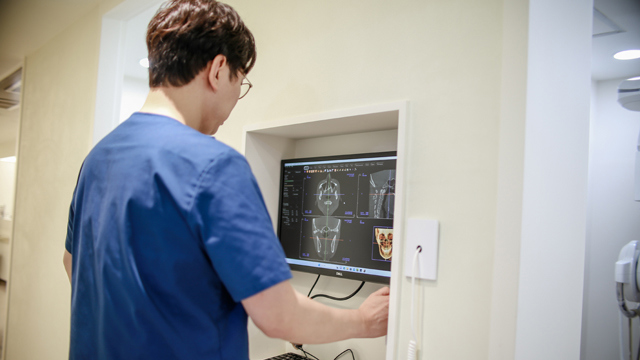
Step 1 — Initial Consultation
The process begins with a detailed consultation where the surgical team evaluates the patient's nasal structure, discusses functional concerns such as breathing difficulty, and reviews aesthetic goals. This assessment forms the basis for determining which rhinoplasty approach — such as autologous rib cartilage grafting, implant-free technique, or functional correction — may be appropriate for the individual patient. Patients are encouraged to share their full history, including any prior nasal surgeries, so the surgical team has a complete picture before planning begins.
Step 2 — Personalized Surgical Planning
Based on the consultation findings, a tailored surgical plan is developed. This may incorporate one or more of the clinic's rhinoplasty approaches depending on whether the primary concern is aesthetic reshaping, functional airway correction, or a combination of both, ensuring the plan reflects the patient's specific nasal anatomy and stated goals. Patients are walked through the rationale for the recommended technique, including why a particular grafting material or surgical method was chosen for their case.
Step 3 — Ongoing Follow-Up Care
Following surgery, patients are monitored through scheduled follow-up visits to track healing progress and address any concerns that arise during recovery. This ongoing communication allows the surgical team to support the patient through the full recovery period and confirm that the surgical goals discussed during consultation — whether functional, aesthetic, or both — are being addressed appropriately as healing progresses.
Final CTA for Rhinoplasty & Main Procedures
Ready to Discuss Your Rhinoplasty Options With Our Surgical Team?
If you are considering rhinoplasty for functional, aesthetic, or revision-related concerns, Merry Plastic Surgery's surgical team is available to walk you through your options in detail. A personal consultation is the best way to understand which rhinoplasty approach — whether Merry's Signature Rhinoplasty, autologous rib cartilage rhinoplasty, implant-free rhinoplasty, or functional rhinoplasty — may be suited to your individual nasal structure and goals. Whether your primary concern is breathing difficulty, dissatisfaction with a previous procedure, or a first-time aesthetic change, our team is ready to answer your questions and guide you through what to expect at every stage, from initial evaluation through recovery.
Related Services
Procedures available within our clinical departments.

Eye Revision Surgery
Eye revision surgery is a corrective procedure for patients who have already undergone double eyelid surgery but are not satisfied with the outcome, or who have developed complications such as an irregular crease, asymmetry, or scarring.
Learn More

Breast Lift
A breast lift, known clinically as mastopexy, is a surgical procedure designed to correct breast sagging by repositioning breast tissue, removing excess skin where necessary, and restoring the nipple-areola complex to a more natural position on the breast.
Learn More

Double Eyelid Surgery
Double eyelid surgery is a procedure within eye plastic surgery designed to create or redefine the fold above the eye — the crease that separates the upper eyelid into two visible sections.
Learn More