Personalized Medical Care & Dedicated International Patient Concierge


Specialty Overview
Eye Surgery
Eye surgery within plastic surgery refers to a range of procedures that reshape or correct the structure of the eyelids and surrounding tissue, addressing both aesthetic and functional concerns.
Schedule a ConsultationWhat Does Eye Surgery Mean in Plastic Surgery?

Eye surgery within plastic surgery refers to a range of procedures that reshape or correct the structure of the eyelids and surrounding tissue, addressing both aesthetic and functional concerns. This can include creating a defined eyelid crease, correcting a droopy eyelid caused by weakened muscle function, adjusting the position of under-eye fat, reshaping the canthus, or revising a previous eye surgery that did not achieve the intended result.
At Merry Plastic Surgery, eye surgery is planned according to the patient's specific eyelid anatomy, age-related tissue changes, and prior surgical history where relevant. For example, ptosis correction addresses the eyelid muscle responsible for lifting the eyelid, which is a functional concern distinct from double eyelid surgery, which focuses on creating a visible eyelid crease. Because these are anatomically distinct issues, each requiring a different surgical technique, Merry Plastic Surgery evaluates which specific structure is contributing to a patient's concern before recommending a procedure, rather than treating all eyelid concerns with a single standardized approach.
Advanced Eye Surgery in Plastic Surgery – Eye Revision Surgery for Expert, Patient-Focused Care
Patients seeking eye surgery arrive with a wide range of concerns — some are bothered by eyelids that appear heavy or tired-looking, others have noticed under-eye puffiness or hollowing that makes them look more fatigued than they feel, and some are returning after a previous eye surgery left them with asymmetry, an unnatural crease, or a result that changed over time. For patients considering revision surgery in particular, there is often added anxiety about whether a second procedure can actually improve on a result they are already unhappy with.
Patients do not need to manage these concerns without support. At Merry Plastic Surgery, consultations for eye surgery are structured to identify precisely which anatomical factor — muscle function, fat position, skin laxity, canthal shape, or scar tissue from a prior procedure — is contributing to the patient's concern. This allows the surgical team to propose a plan suited to the specific issue at hand, with continued attention to comfort, safety, and a natural-looking outcome throughout the process.
Specialty Services & Treatments for Eye Surgery and Main Conditions in Plastic Surgery

Merry Plastic Surgery offers the following eye surgery services, each addressing a distinct eyelid or under-eye concern:
Eye Surgery for Middle-Aged Patients – Eyelid surgery planned with attention to age-related changes such as skin laxity and reduced eyelid support, distinct from eyelid surgery performed on younger patients
Under-Eye Fat Repositioning – A procedure that adjusts the position of under-eye fat to address puffiness or hollowing in the under-eye area
Canthoplasty – Surgical reshaping of the outer or inner corner of the eye to adjust canthal shape and eye proportion
Ptosis (Droopy Eye) Correction – Surgical correction of the eyelid-lifting muscle to address a droopy or heavy-appearing eyelid
Double Eyelid Surgery – Surgical creation of a defined upper eyelid crease
Eye Revision Surgery – Corrective surgery for patients experiencing asymmetry, an unnatural crease, or other concerns following a previous eye surgery
Merry Plastic Surgery is positioned to support patients across this range of eyelid and under-eye concerns because its surgical evaluation process identifies the specific anatomical factor involved before a procedure is recommended, whether the patient's primary concern is aesthetic, functional, or related to a previous surgery.
Why Choose Merry Plastic Surgery for Eye Surgery & Key Procedures in Plastic Surgery
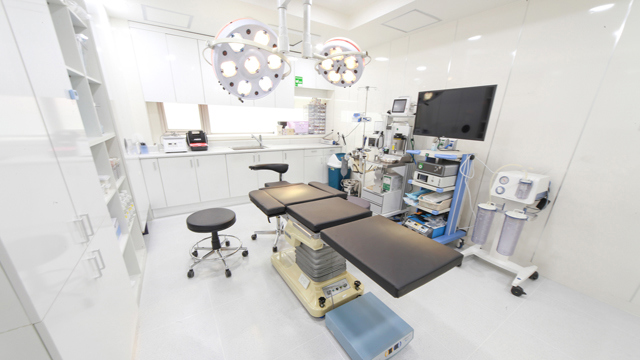
Patients evaluating eye surgery options are often looking for a surgical team that can distinguish between overlapping eyelid concerns and recommend the correct procedure rather than a generalized eyelid treatment. Merry Plastic Surgery's approach to eye surgery is shaped by the following strengths:
Structural, Concern-Specific Evaluation: Consultations focus on identifying whether a patient's concern relates to muscle function, fat position, canthal shape, or skin laxity before recommending a surgical approach
Age-Specific Surgical Planning: Eye surgery for middle-aged patients is planned with specific consideration for age-related tissue changes, rather than applying the same technique used for younger patients
Eye Revision Experience: The surgical team is equipped to assess and correct concerns arising from previous eye surgery, including asymmetry and unnatural eyelid crease results
Individualized Surgical Plans: Every case is evaluated according to the patient's specific eyelid anatomy and stated goals, rather than a standardized surgical package
Comprehensive Eyelid Care Under One Clinic: Patients can address ptosis, canthal shape, under-eye fat concerns, or revision needs within a single, coordinated treatment plan
Patients choosing Merry Plastic Surgery for eye surgery are choosing a clinic where the specific anatomical cause of an eyelid or under-eye concern is identified before treatment, supported by a surgical team experienced in both first-time and revision eye procedures.
Meet the Specialists in Eye Surgery
|
|
Dr. Sungtaek Hong | Dr. Jimin Lee |


Dr. Sungtaek Hong — Representative Director
Board-certified Plastic Surgeon (Korea University Medical Center) with surgical experience across eye surgery, rhinoplasty, facial contouring, and lifting procedures, bringing a broader facial-structure perspective to eyelid surgical planning. Dr. Hong is a member of the eye surgery-focused research group within the Korean Society of Plastic and Reconstructive Surgeons.
Dr. Jimin Lee — Director
Board-certified Plastic Surgeon (Kyung Hee University Medical Center) and full member of the Korean Society of Plastic and Reconstructive Surgeons, the Korean Society for Aesthetic Plastic Surgery, and the International Society of Aesthetic Plastic Surgery (ISAPS), among other professional societies.
Together, these specialists share a treatment philosophy centered on identifying the specific anatomical structure responsible for a patient's eyelid concern before proposing a surgical plan, aiming for results that appear natural and are appropriately matched to each patient's face.
Real Patient Journeys for Eye Surgery
Case Example 1 — Droopy Eyelid Concern
A patient in their 40s presented with eyelids that appeared increasingly heavy and tired-looking, describing a sensation of needing to lift their eyebrows to see clearly, particularly by the end of the day. During consultation, the surgical team evaluated the function of the eyelid-lifting muscle and determined that the concern was consistent with ptosis rather than simply excess skin. A surgical plan for ptosis correction was developed to address the underlying muscle function. The patient was scheduled for standard post-surgical follow-up visits to monitor eyelid position and symmetry as swelling resolved during recovery.
Case Example 2 — Previous Double Eyelid Surgery Concern
A patient in their late 20s sought consultation after a double eyelid surgery performed elsewhere resulted in a crease that appeared uneven between the two eyes and felt tighter than expected. Consultation involved assessing the scar tissue and crease structure from the prior procedure to understand what had caused the asymmetry. A revision plan was developed to correct the eyelid crease and improve symmetry, taking into account the tissue changes from the original surgery. Following the revision procedure, the patient attended scheduled follow-up visits to monitor healing and confirm the crease was settling evenly on both sides.
International Patients & Global Support for Eye Surgery Care
Merry Plastic Surgery welcomes international patients considering eye surgery and provides structured support to help make the treatment journey more manageable for those traveling from abroad, whether for a first-time procedure or a revision case.
Pre-consultation guidance to help patients describe their eyelid concerns and any prior surgical history before travel
Language assistance during consultations and treatment discussions
Coordination support for scheduling consultations, surgery, and follow-up visits
Guidance on post-treatment care considerations for patients returning home
Ongoing communication channels for questions during the recovery period
From initial inquiry through post-treatment follow-up, international patients pursuing eye surgery can expect a coordinated and considerate approach designed to make the process clear and manageable from a distance.
What to Expect from Eye Surgery Treatment Process
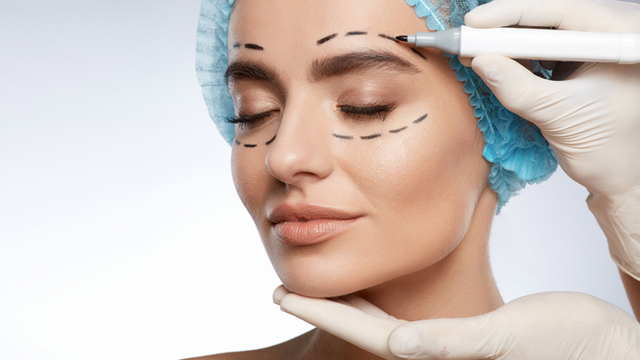
Step 1 — Initial Consultation
The process begins with a detailed consultation where the surgical team examines the patient's eyelid structure, evaluates muscle function where relevant, and discusses the patient's specific concerns, whether related to eyelid crease, droopiness, under-eye fat, canthal shape, or a previous surgery. This assessment determines which underlying structure is responsible for the concern.
Step 2 — Personalized Surgical Planning
Based on the consultation findings, a tailored surgical plan is developed addressing the specific anatomical factor identified — such as ptosis correction for muscle-related droopiness, fat repositioning for under-eye concerns, or canthoplasty for canthal shape. For revision cases, the plan also accounts for existing scar tissue and structural changes from the prior procedure.
Step 3 — Ongoing Follow-Up Care
Following surgery, patients are monitored through scheduled follow-up visits to track healing, symmetry, and eyelid function. This ongoing communication allows the surgical team to support the patient through recovery and confirm the surgical goals discussed during consultation are being addressed as swelling resolves and the final result takes shape.
Final CTA for Eye Surgery & Main Procedures
Ready to Discuss Your Eye Surgery Options With Our Surgical Team?
Whether you are considering double eyelid surgery for the first time, addressing a droopy eyelid, exploring under-eye fat repositioning, or seeking revision after a previous eye surgery, Merry Plastic Surgery's surgical team is available to walk you through your options in detail. A personal consultation is the best way to understand which approach — ptosis correction, canthoplasty, fat repositioning, or revision surgery — may be suited to your specific eyelid structure and goals. Our team is ready to answer your questions and guide you through what to expect at every stage, from evaluation through recovery.
Related Services
Procedures available within our clinical departments.

Eye Revision Surgery
Eye revision surgery is a corrective procedure for patients who have already undergone double eyelid surgery but are not satisfied with the outcome, or who have developed complications such as an irregular crease, asymmetry, or scarring.
Learn More

Breast Lift
A breast lift, known clinically as mastopexy, is a surgical procedure designed to correct breast sagging by repositioning breast tissue, removing excess skin where necessary, and restoring the nipple-areola complex to a more natural position on the breast.
Learn More

Double Eyelid Surgery
Double eyelid surgery is a procedure within eye plastic surgery designed to create or redefine the fold above the eye — the crease that separates the upper eyelid into two visible sections.
Learn More